Process development & optimisation

ALS Metallurgy is trusted by the international mining, engineering, and financial sectors. Our flotation specialists work with you to develop and demonstrate successful flotation regimes and circuits for a wide range of ores. Our operations are ISO9001 certified and have established a global reputation as a leader in flotation process development and optimisation.
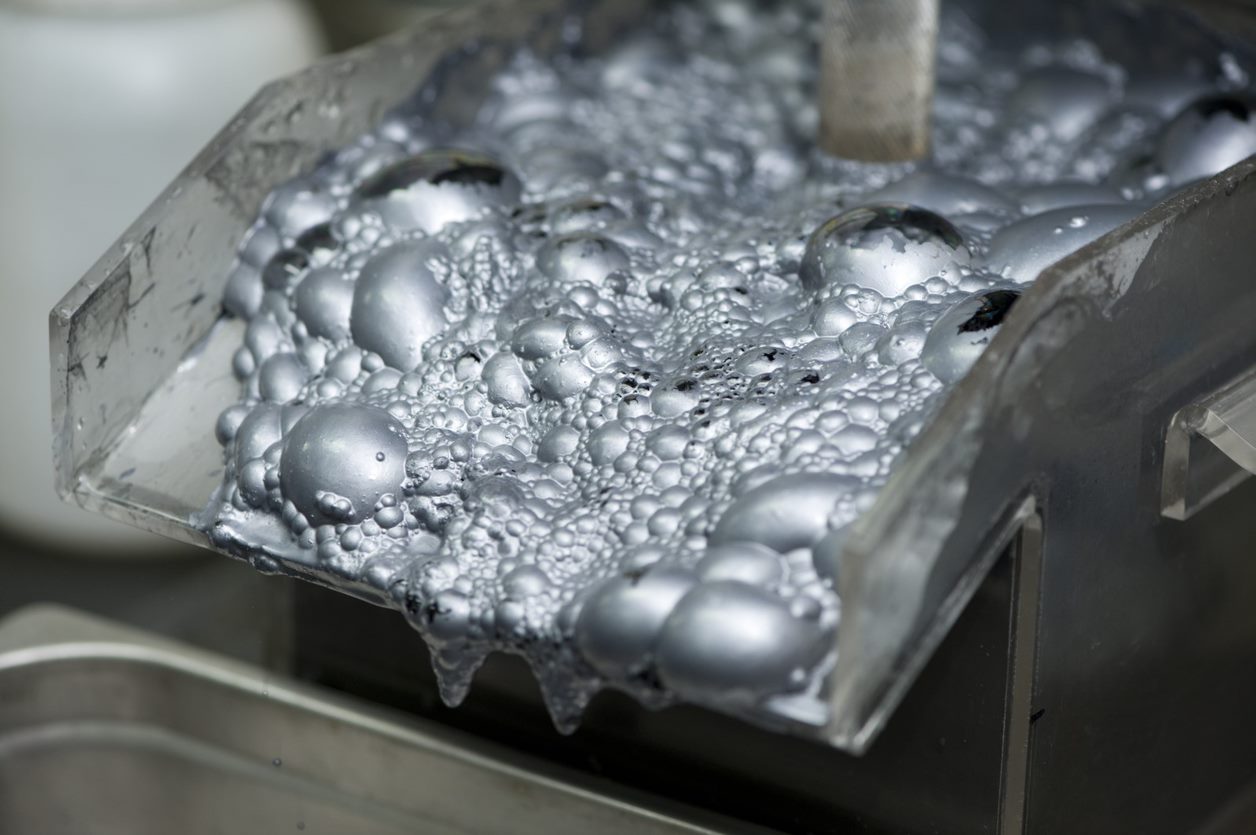
Espuma na célula

Worldwide capability & experience

Who is scraping your froth? Are they a casual employee working outside or in a back shed without any safety or technical supervision? Unfortunately, our industry is full of such examples. Not at ALS. Between our laboratories in Western Australia, Tasmania, and Kamloops in Canada, ALS has thousands of square meters devoted to flotation with a stable team of professional metallurgists and technicians all with hundreds of thousands of tests under their belts. ALS clients can be sure the person scraping their froth knows exactly what they are doing.

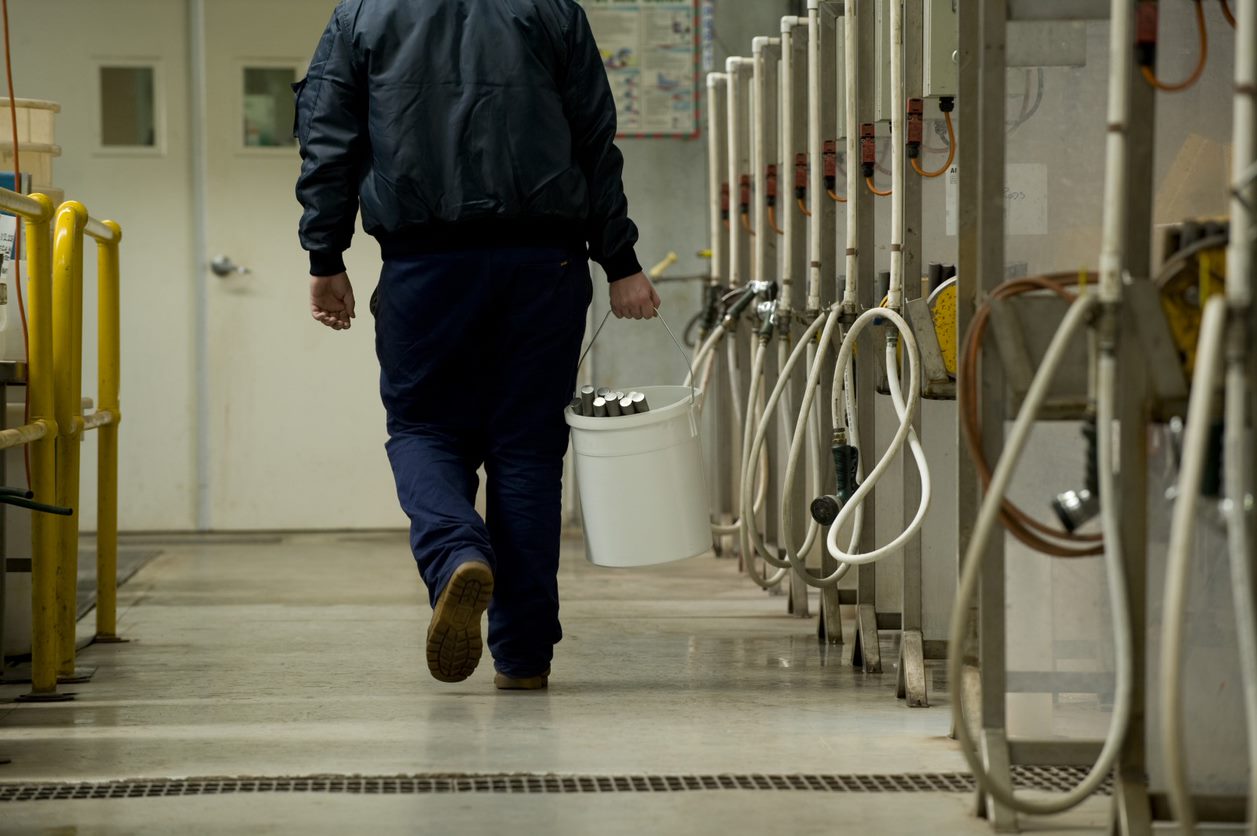
Moinhos de moagem

Flotation Services

ALS Metallurgy can provide customised bench-scale flotation test work programs, either in preparation for pilot scale testwork or as an isolated program. Tests may be performed in batch or as a locked-cycle program to predict concentrate recoveries in a plant situation and cover the following ore types:

  • All Base Metals
  • Gold and precious metals including refractory ores
  • Reagent selection and optimisation
  • Phosphates and Oxides
  • Iron Ore
  • Energy Metals (Graphite, Lithium and Vanadium in particular)

Bench flotation test programs are commonly designed to consider the following parameters within the spectrum of grade-recovery:

  • Flotation kinetics
  • Grind size and grinding media
  • Mass pull
  • Reagent selection and optimisation
  • Selective and/or sequential flotation (complex sulphides)
  • Pulp potential

Our equipment includes a range of Agitair and Denver cells with full instrumentation and cell sizes ranging from 0.5L to 300L, conducting the following types of tests:

  • Batch grinding
  • Batch Open Circuit Rougher Tests
  • Batch Open Circuit Single and Multi-stage Cleaner Tests
  • Regrinding
  • Bulk Batch Testing to produce larger masses of concentrate
  • Locked Cycle Testing
  • Column Flotation (in conjunction with Eriez)
  • Hydrofloat testing (in conjunction with Eriez)

Supporting the above is the full required infrastructure for sample preparation and milling. Test samples from a few kilograms to many tonnes can be prepared and treated. Particle size distribution determinations can be conducted via sieve screening and laser sizing methods. For finer particles, i.e. less than 38 µm, cyclo-sizing can be conducted, with the finer fractions being collected and assayed. Fine screening can also be conducted down to 10μm. Apparent relative density determinations and true SG determinations are also conducted.

Here are some frequently asked questions

  • Can I use RC drill intervals for my flotation program?

    Strongly not recommended. Flotation is an extremely size sensitive process and because the RC drilling process imparts a lot of energy into the sample, the resulting fine particle size distribution is likely to be much finer than required. Also, the detergents used in RC drilling will very often react unfavorably in the flotation cell with other reagents. Diamond drill core or ROM material are always preferable for metallurgical testwork.

  • How much sample mass do I need for a flotation program?

    Well that depends on the sample material and extent of the program, but some rough guidelines are as follows:

    • Head analysis 1-2 kg
    • Grind establishment (GE) 2-5 kg (depending on no. of grind targets)
    • Reagent optimisation 1-2 kg per test so 50-100 kg usually suffices
    • Bulk Flotation 20-100 kg per sample
    • Locked Cycle Testing ~12 kg per 6 cycle test
  • Can I organise to supply my own flotation reagents?

    Yes, but disposal fees apply together with supply of MSDS.  

  • Can I conduct my own flotation tests using ALS equipment?

    No. Insurance and safety protocols usually prevent this. Exceptions sometime can be made during pilot plants for inducted clients.

  • Can my associates and I view the flotation tests at ALS?

    Yes, clients are always welcome to visit our facilities and observe samples or tests in progress, never more so that for flotation. Inductions are required and other rules may apply to visitors.

  • Will ALS treat hazardous samples?

    Generally, yes. ALS has facilities and procedures to treat fibrous and radioactive samples. Surcharges do apply, however, to cover safety equipment, monitoring and decontamination.

  • Our samples are from overseas, what do I do?

    ALS is a quarantine approved premises and treats many samples of oversea origin.  Strict regulatory requirements are in needed around packaging and paperwork, however.  ALS can advise you on these requirements.

  • Will ALS dispatch my samples to third parties?

    Yes, if a testwork program is in progress, ALS will happily dispatch testwork products and feed samples to vendors, third party laboratories, and customers as required. Fees apply.

  • Does ALS do design engineering and consulting?

    No, as it is not our core business and would put us in direct competition with many of our clients.  We can, however, put you in contact with a range of reputable engineering providers and consultants.