





























ALS Solutions provides you with online access to your sample and analytical information from anywhere.
LoginRetrieve results and track sample progress in real time with access to featured digital products such as CoreViewer™ and ALS QCPro™.
Login
This convenient application lets customers closely track oil analysis reports in process in real time.
LoginContact us today to speak with a licensed assessor or schedule your clearance inspection.
After asbestos removal work, an independent clearance inspection is essential to help confirm that the area is safe to re-occupy and return to normal use. This helps protect workers, building occupants and the surrounding community from any remaining asbestos hazards. It also provides formal assurance that the removal has been completed in accordance with New Zealand’s regulatory requirements.
ALS provides nationwide coverage through qualified asbestos assessors located in branches across New Zealand. Regardless of where your project is based, ALS is committed to providing you with consistent technical quality, clear reporting and reliable compliance with New Zealand standards.
We recognise that clearance timing can directly affect project scheduling. For this reason, we focus on efficient turnarounds. Laboratory samples are processed promptly following our site visit and clearance certificates are issued without unnecessary delay once all criteria have been satisfied. This approach helps reduce downtime, maintain project continuity and support confident decision making.
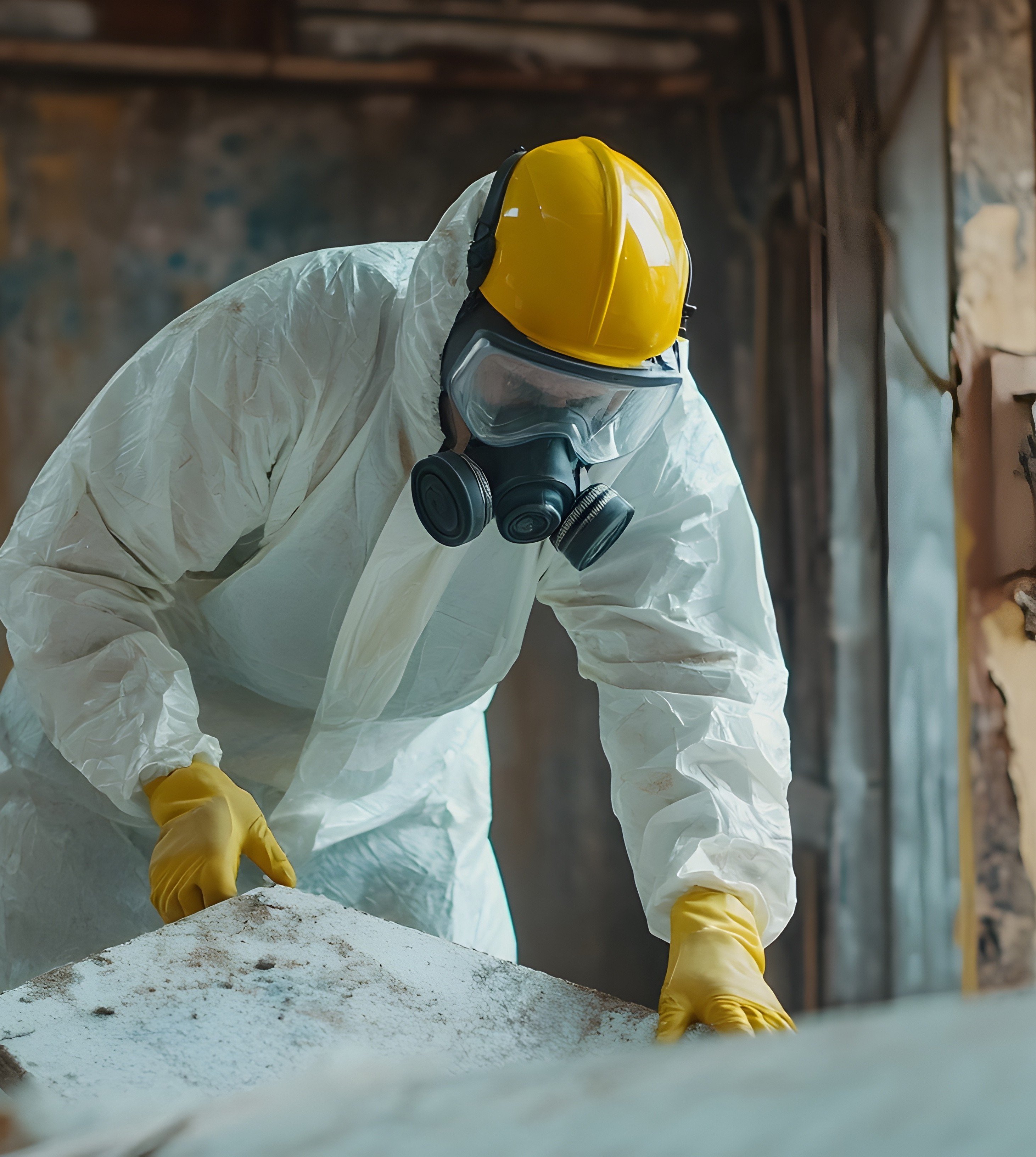
New Zealand commonly follows a four-stage clearance process. This approach is recognised as a best practice for independently verifying that an area is safe for re-occupancy after asbestos work has been completed.
1. Preliminary check of the work area and enclosure
The work area and enclosure are inspected to confirm that removal equipment, waste and tools have been taken out and that the area is ready for detailed assessment.
2. Thorough visual inspection
A competent person, or a licensed asbestos assessor for friable and Class A work, carries out a detailed visual inspection. The purpose is to confirm that no visible asbestos debris, dust or contamination remains in the work area or enclosure.
3. Air monitoring
Air monitoring is performed, often while gently disturbing surfaces, to help ensure airborne fibre levels are below the trace level. This stage is mandatory for Class A friable asbestos removal and offers objective confirmation that airborne risk has been eliminated.
4. Final assessment and clearance certification
Once the area has passed both the visual inspection and the air monitoring stage, the enclosure is dismantled. A final visual assessment is then completed. If all criteria meet New Zealand requirements, a clearance certificate is issued determining that the area can be re-occupied safely.
For your convenience and security, we have partnered with PayJunction, to complete your credit card transaction. Your credit card information will only be used to process a one-time payment.
If you do not have an invoice number, please do not proceed and call:
Accounts Receivable +1 281-575-2290
For your convenience and security, we have partnered with Westpac, to complete your credit card transaction. Your credit card information will only be used to process a one-time payment. ALS will manage and respect your personal information in accordance with it's Privacy Policy.
Pay by Visa, Mastercard, or American Express. Currency is processed in Australian dollars (AUD). A credit card surcharge rate of 0.8% (Visa/MC) or 1.5% (AMEX) will be applied to all transactions (including applicable GST).
This payment facility is available to all (Australian-based) clients with a valid invoice number. If you do
not have an invoice number, please do not proceed and call:
Accounts Receivable +61 7 3212 5498
Please select the ALS legal entity from the options below. The ALS entity name can be found on your invoice.