






























Get in touch with us

Contact us today to book an asbestos survey and ensure your site is safe and compliant.

Asbestos surveys

Identifying risk before it becomes a hazard 

Asbestos-containing materials (ACMs) remain common in many New Zealand buildings constructed before 2000. Proactively identifying and managing these materials is critical to protect health, comply with local legislation and avoid costly delays during projects. 

Under the Health and Safety at Work (Asbestos) Regulations 2016, all persons conducting a business or undertaking (PCBUs) must identify asbestos in the workplace and maintain an asbestos management plan for any building built before 1 January 2000.

Comprehensive asbestos surveys form the backbone of this process, helping locate ACMs, assess their condition and implement appropriate controls tailored to New Zealand requirements.  
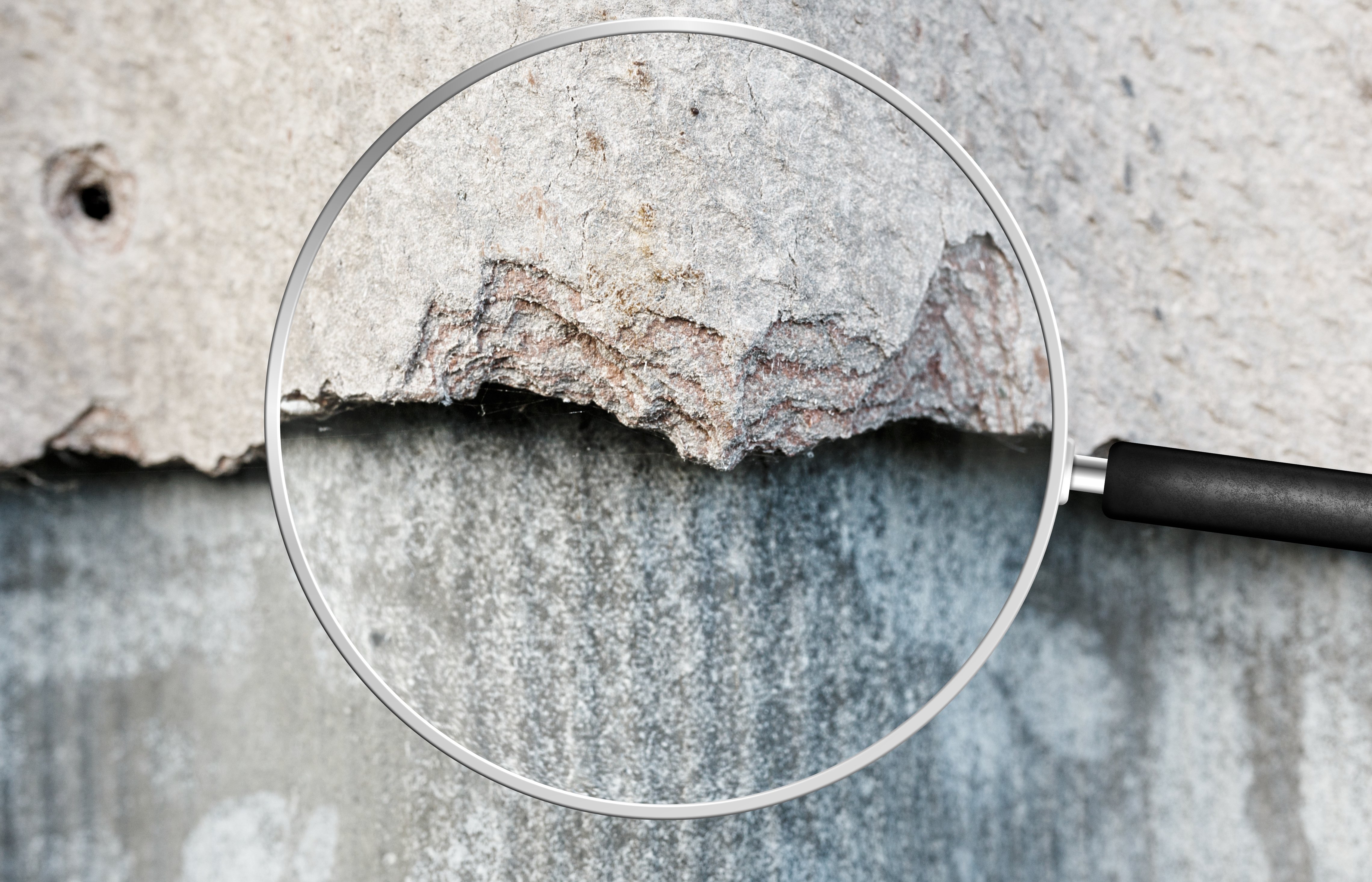

Asbestos surveys

FAQs

  • When is an asbestos survey required in New Zealand?

    Under the Health and Safety at Work (Asbestos) Regulations 2016, PCBUs must identify asbestos in workplaces and manage the risk appropriately. In practice, this means buildings constructed before 1 January 2000 should be assessed to determine whether asbestos-containing materials are present, especially before maintenance, refurbishment or demolition work.

  • Do I need an asbestos survey before refurbishment or demolition?

    Yes. Refurbishment and demolition work can disturb hidden asbestos-containing materials, so an intrusive survey is typically required before work begins. Identifying asbestos in advance allows works to be planned safely, reduces the risk of unexpected discoveries and helps avoid delays and disruption during construction.

  • How early should an asbestos survey be completed in a project?

    Surveys should be completed as early as possible, ideally during the planning phase before any works are scoped or priced. This allows asbestos risks to be identified upfront and incorporated into project planning, reducing the risk of delays, variations or unexpected discoveries once work has started.

Types of asbestos surveys

Management survey

A non-intrusive survey designed to identify ACMs that could be disturbed during normal occupancy or routine maintenance. This survey supports the creation of an asbestos register and management plan, helping ensure compliance with New Zealand standards.

Refurbishment survey

Required before any refurbishment work begins. This intrusive survey targets areas where ACMs may be hidden behind walls, floors or ceilings. It helps ensure asbestos is identified and safely managed before construction activities commence.

Demolition survey

A fully intrusive survey conducted prior to demolition. It is intended to identify all ACMs within the structure, enable safe removal and prevent environmental contamination in line with New Zealand regulations.

FAQs

  • What is an asbestos survey and what does it involve?

    An asbestos survey is a structured inspection of a building or workplace to identify asbestos-containing materials, assess their condition and provide information to support safe management or removal. Survey findings are used to inform asbestos registers and management plans.

  • What happens if asbestos is found during a survey?

    If asbestos-containing materials are identified, the next step is to assess their condition and risk. This information is used to determine whether the material can remain in place under a management plan or needs to be removed prior to any works.

  • Who is responsible for managing asbestos in a workplace?

    In New Zealand, the person conducting a business or undertaking (PCBU) is responsible for identifying asbestos risks and ensuring appropriate management plans are in place where asbestos is present or likely to be present.

  • How do I choose a competent asbestos survey provider?

    A competent provider will have surveyors with the right mix of qualifications and practical experience across asbestos inspections, including planning, sampling, risk assessment and reporting. They should understand different building types, construction methods and where asbestos is likely to be found, including hidden or unexpected locations.

    Look for evidence such as:

    • recognised training and relevant qualifications
    • experience across management, refurbishment and demolition surveys
    • recent, comparable project work
    • accreditation (for example ISO 17020) and use of accredited laboratories.

    They should also clearly define the survey scope, methodology, limitations and deliverables. The key test is whether the final survey is clear, accurate and fit for purpose, providing practical information that contractors, designers and regulators can rely on.