Our approach to silica monitoring and when testing is required
ALS provides silica monitoring services designed to help New Zealand businesses understand, control and manage silica risks. Our assessments support compliance with workplace health and safety obligations and provide clear data for decision making.
Our services include:
- Personal exposure monitoring using sampling pumps and cyclones worn by workers during normal tasks
- Area and task-based sampling to identify high-generating activities or poorly controlled processes
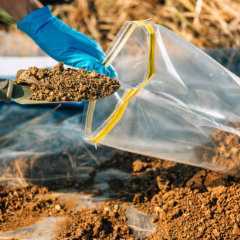
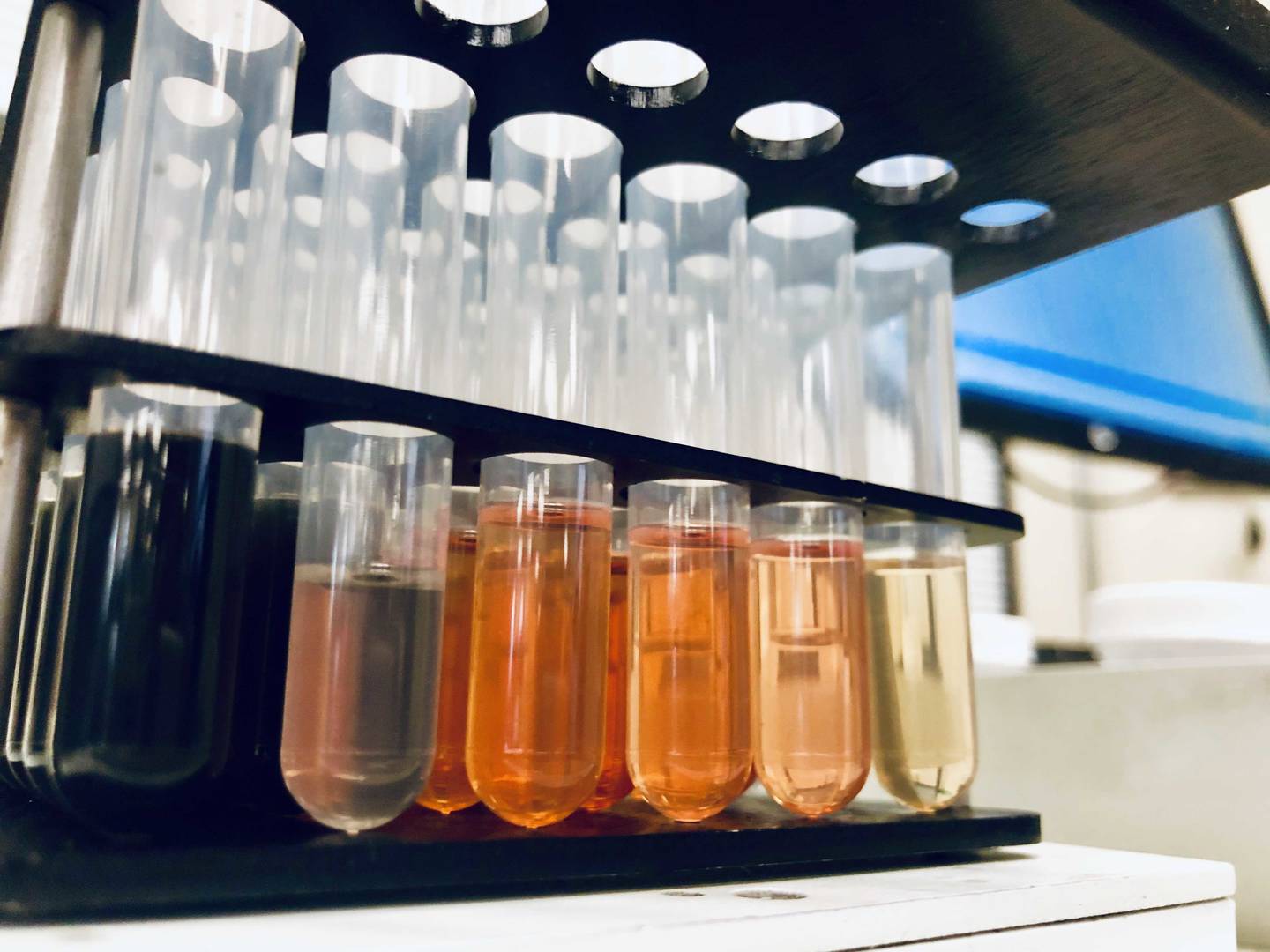
- Laboratory analysis using recognised methods such as X-ray diffraction or infrared spectroscopy
- Reporting that compares results with New Zealand Workplace Exposure Standards and includes practical recommendations for engineering, administrative and respiratory control improvements.
Silica monitoring is recommended::
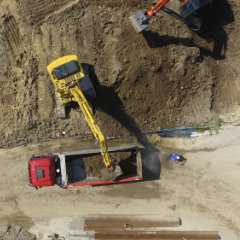
- During or after activities that disturb stone, concrete, mortar or other silica containing materials
- When new tools, equipment or materials are introduced
- If workers raise concerns about visible dust or respiratory symptoms
- When required as part of regulatory compliance or ongoing occupational hygiene programs.
If you are unsure whether silica dust poses a risk in your workplace, ALS can help you assess exposure, confirm compliance and implement appropriate controls to protect your workforce.



















 Search
 English
 Login
Login