ALS Solutions provides you with online access to your sample and analytical information from anywhere.
LoginRetrieve results and track sample progress in real time with access to featured digital products such as CoreViewer™ and ALS QCPro™.
Login
This convenient application lets customers closely track oil analysis reports in process in real time.
LoginRequest a quote for our quality-assured services, and we will get back to you within the next few business days.
Have questions about our services? Please send us a message and we will get in touch with you soon.
CONTACT USThe transition to green energy requires improvements and changes to battery technology. The storage of increased energy in batteries has resulted in technology that makes use of metals not commonly used in the past. Lithium is one such element that is the focus of much interest due to its use in battery chemistries.

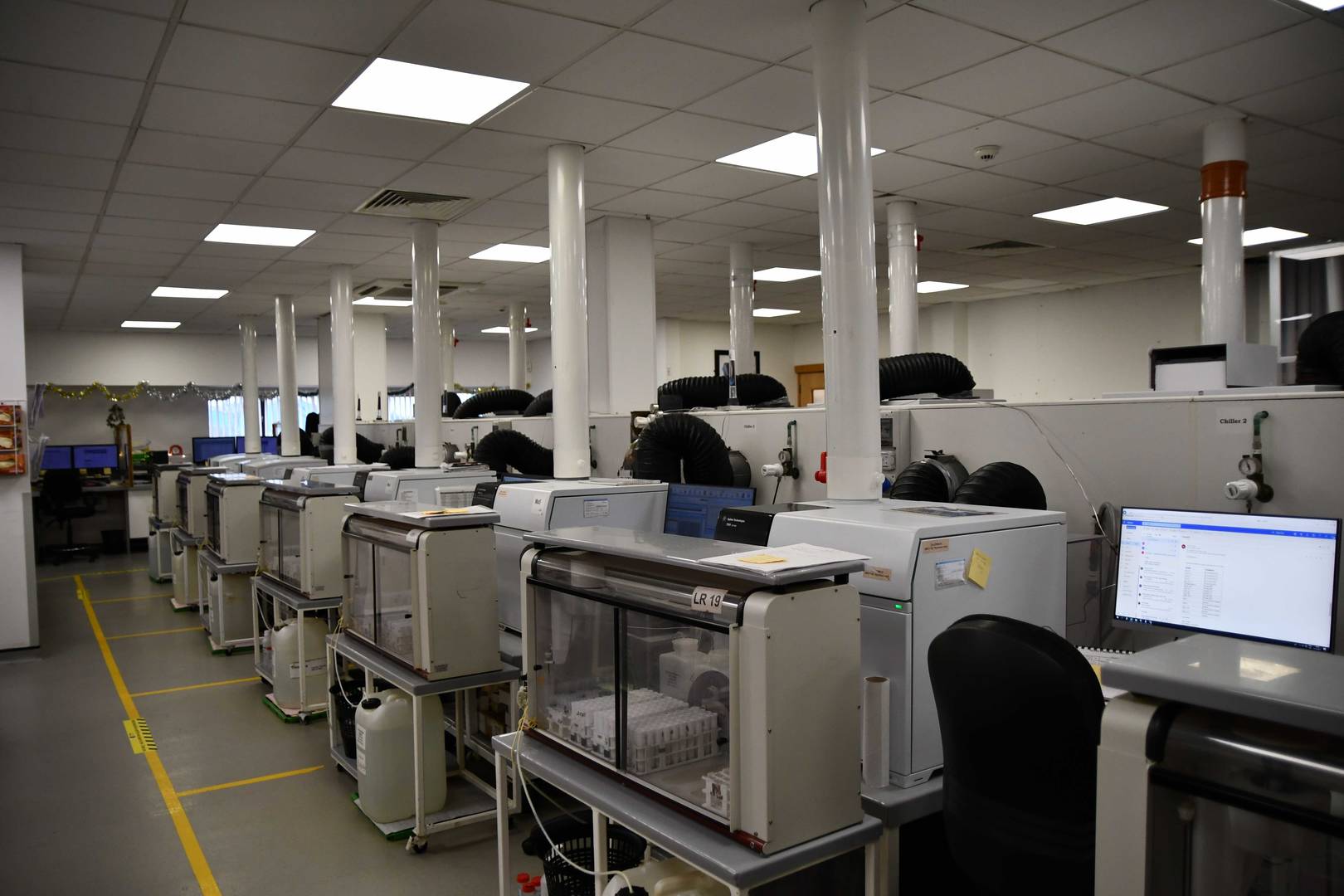
The analytical methods required for a particular resource type are often unique. ALS offers analysis products for all mineral types with detection levels ranging from super-trace methods applicable for exploration, through to high grade samples. Decades of experience analysing samples from across the globe have resulted in technical proficiency and client support that distinguishes ALS in the commercial geochemical analysis sector.
The different geological settings of uranium mineralisation have significantly variable amenability to acid dissolution. Magmatic high temperature systems often contain uranium concentrations in rare and resistate minerals such as uraninite, monazite, fluorite, sphene, xenotime, zircon, or apatite. Associated elements and trace elements may include K, Th, Rb, Cs, and the REEs. Placer and conglomerate-hosted uranium deposits are also characterised by resistate minerals and gold. Breccia pipes and roll-front REDOX style mineralisation most often contain uranium as soluble primary and secondary oxide minerals. Uranium in these deposits is often associated with elevated levels of Se and V, having been precipitated from oxidised groundwater by reducing agents such as pyrite, H2S and organics or in association with Fe-oxides. To support uranium analysis methods, a range of uranium specific CRMs are used routinely for superior quality control.
ALS is qualified and experienced in handling NORM samples, particularly in areas with active uranium exploration and mining industries. Furthermore, added laboratory certification exists in certain jurisdictions
Lithium is concentrated by magmatic fractional crystallisation and partial melting, which results in higher concentrations in some pegmatites and muscovite-bearing granites. During rock weathering, lithium in several mineral hosts can be taken into solution and transported with water. Locations where water is trapped inland under arid conditions concentrate the lithium into residual brines. These concentration mechanisms have formed the two main commercial Li deposit types; pegmatites and continental lithium brines in closed basins. Other sources of viable lithium resources include geothermal brines, oilfield brines, and clay minerals such as hectorite and jadarite.
ALS offers a range of methods that are suitable for all matrix types and at all stages of a project, from exploration to resource definition and grade control. For assistance choosing the correct analytical method for your requirements please contact your local client services team at ALS. When submitting your samples please indicate that the commodity target is lithium, particularly when selecting multi-element packages. This allows ALS to insert lithium-specific Certified Reference Materials (CRMs) for the highest quality results and laboratory performance monitoring.
The Rare Earth Elements (REEs) are the 15 lanthanides of the periodic table of elements, but often scandium and yttrium are included in the definition due to their similar chemical behaviour. The importance of this group of elements has grown in recent years due to their demand across diverse sectors such as electronics, renewable energy, and automotive industries. These critical minerals have become essential components in modern devices, from smartphones to electric vehicles, driving intensive exploration and extraction efforts globally.
Minerals containing rare earth elements are typically very resistant to acid attacks, which historically required fusion-based methods for complete recovery. ALS has developed a chemical decomposition technique using ammonium bifluoride (ABF) to achieve near-total recoveries, coupled with proprietary ICP-MS technology enables detection limits unachievable with traditional flux-based methods for analysing super trace levels of rare earth elements and refractory minerals.
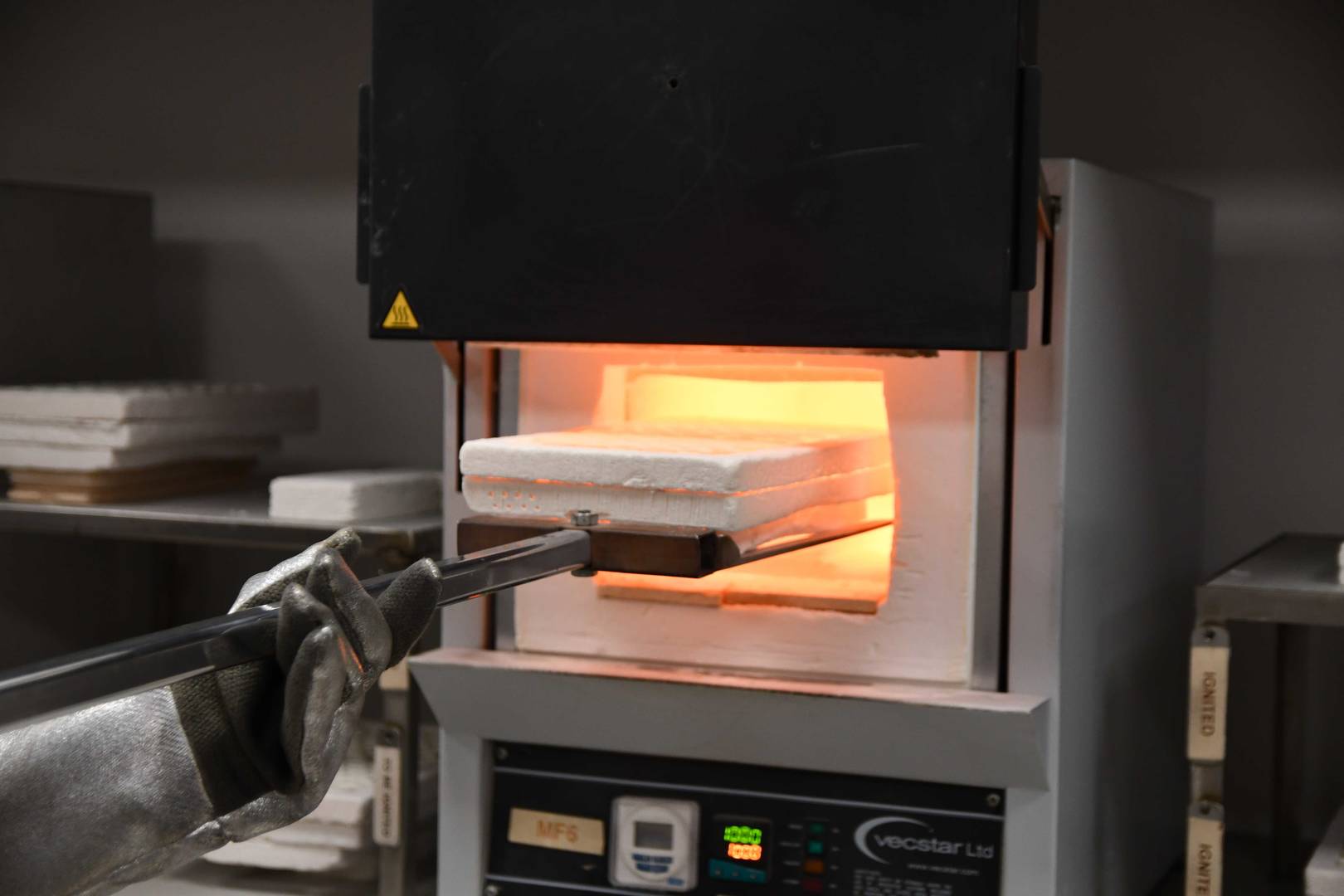
For projects that require higher grade analysis, fusion decomposition methods are appropriate for determining rare earth element compositions. Fusions break down all minerals at high temperatures and multiple instrument analysis options are available including ICP-OES, ICP-MS and XRF. Depending on instrument choice, a range of detection limits for rare earth elements are available from trace levels for exploration sampling through to ore-grade analysis.
The definition of industrial minerals generally excludes metallic minerals, fuels, and gemstones. However, there are some metallic minerals such as magnesite and ilmenite/rutile, which are still considered in the industrial mineral grouping. The use of industrial minerals is varied and extensive, and includes application in batteries, fertilisers, and steel production.
ALS offers methods suitable for a range of industrial minerals including, but not limited to, graphite, bauxite, rare earth elements, magnesite, ilmenite/rutile, limestone/dolomite, clays, potash, lithium, boron, phosphates, zircon, talc, soda ash, fluorspar, silica, and feldspar. Some of the more commonly analysed materials, such as bauxite and lithium, are described in more detail in other sections of this webpage. For industrial minerals the optimal choice of analytical method will depend on several factors; resistivity of the minerals to decomposition and analysis, the expected concentration of the elements of interest, and any requirement to know the concentration of other elements that may be considered deleterious.
ALS offers a wide range of methods that are suitable for nearly all geologically derived samples and analytes. Our client services groups can advise you on the methods that are applicable for your specific needs. Please contact us using the link on this webpage or contact your local client services representative directly.
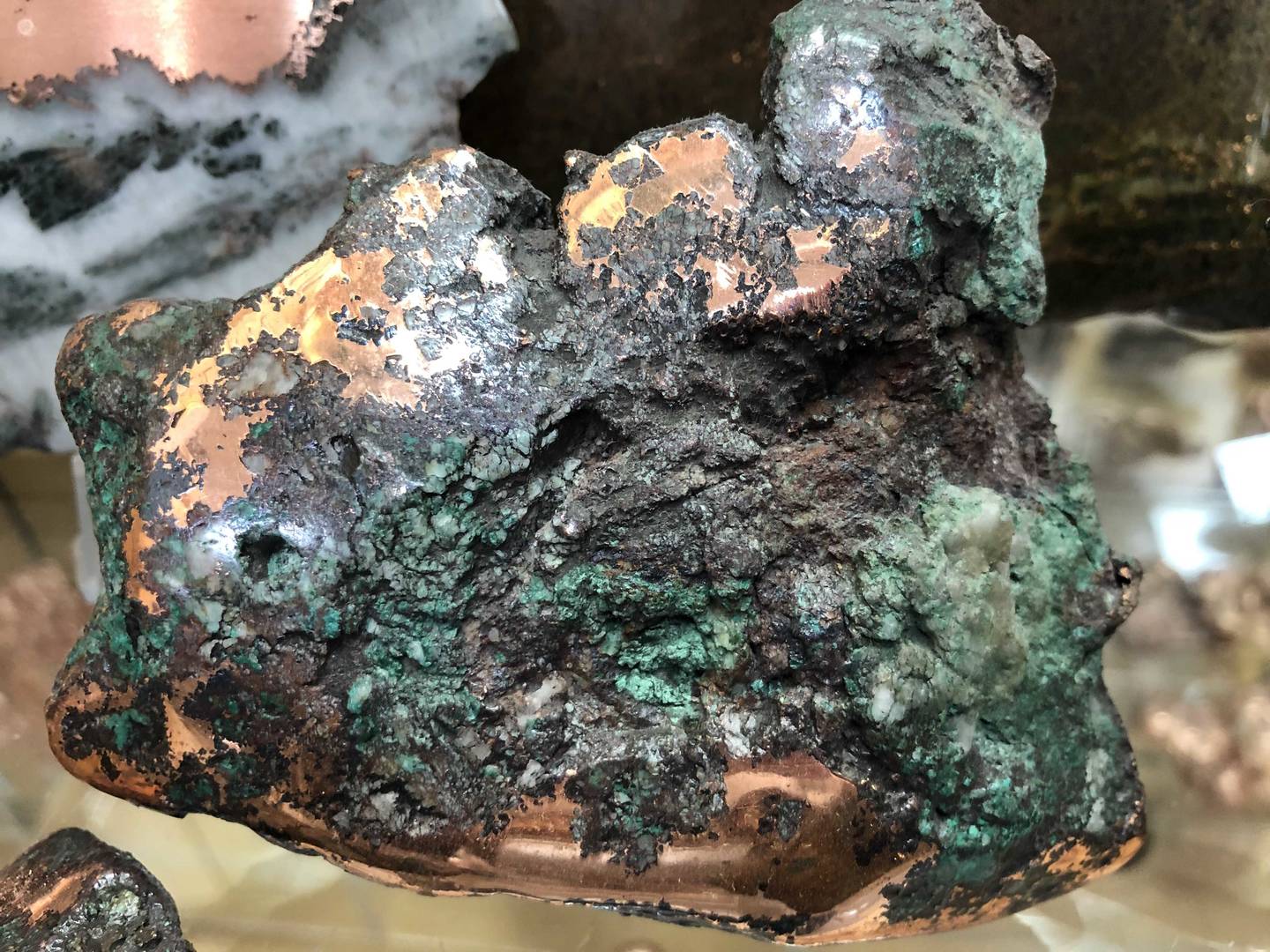
Base metal analysis methods include aqua regia digestion, four acid digestion, fusion decomposition, and targeted mineral leaches.
LEARN MORELithium pegmatite analysis requires a fusion to break down all minerals that potentially host mineralisation.
LEARN MOREPara sua conveniência e segurança, estabelecemos uma parceria com a PayJunction para concluir a transação do seu cartão de crédito. As informações do seu cartão de crédito serão utilizadas apenas para processar um pagamento único.
Se não tiver um número de fatura, não continue e ligue para:
Valores a receber +1 281-575-2290
Para sua conveniência e segurança, estabelecemos uma parceria com a Westpac, para concluir a transação do seu cartão de crédito. As informações do seu cartão de crédito serão utilizadas apenas para processar um pagamento único. A ALS irá gerir e respeitar as suas informações pessoais de acordo com a sua Política de Privacidade.
Pague com Visa, Mastercard ou American Express. A moeda é processada em dólares australianos (AUD). Será aplicada uma taxa adicional de cartão de crédito de 0,8 % (Visa/MC) ou 1,5 % (AMEX) a todas as transações (incluindo GST aplicável).
Esta facilidade de pagamento está disponível para todos os clientes (com base na Austrália) com um número de fatura válido. Se não tiver um número de fatura, não continue e ligue para:
Valores a receber +61 7 3212 5498
Selecione a entidade legal ALS a partir das opções abaixo. O nome da entidade ALS pode ser encontrado na sua fatura.