




























Sampling & analysis of siloxanes in air (biogas & landfill gas)

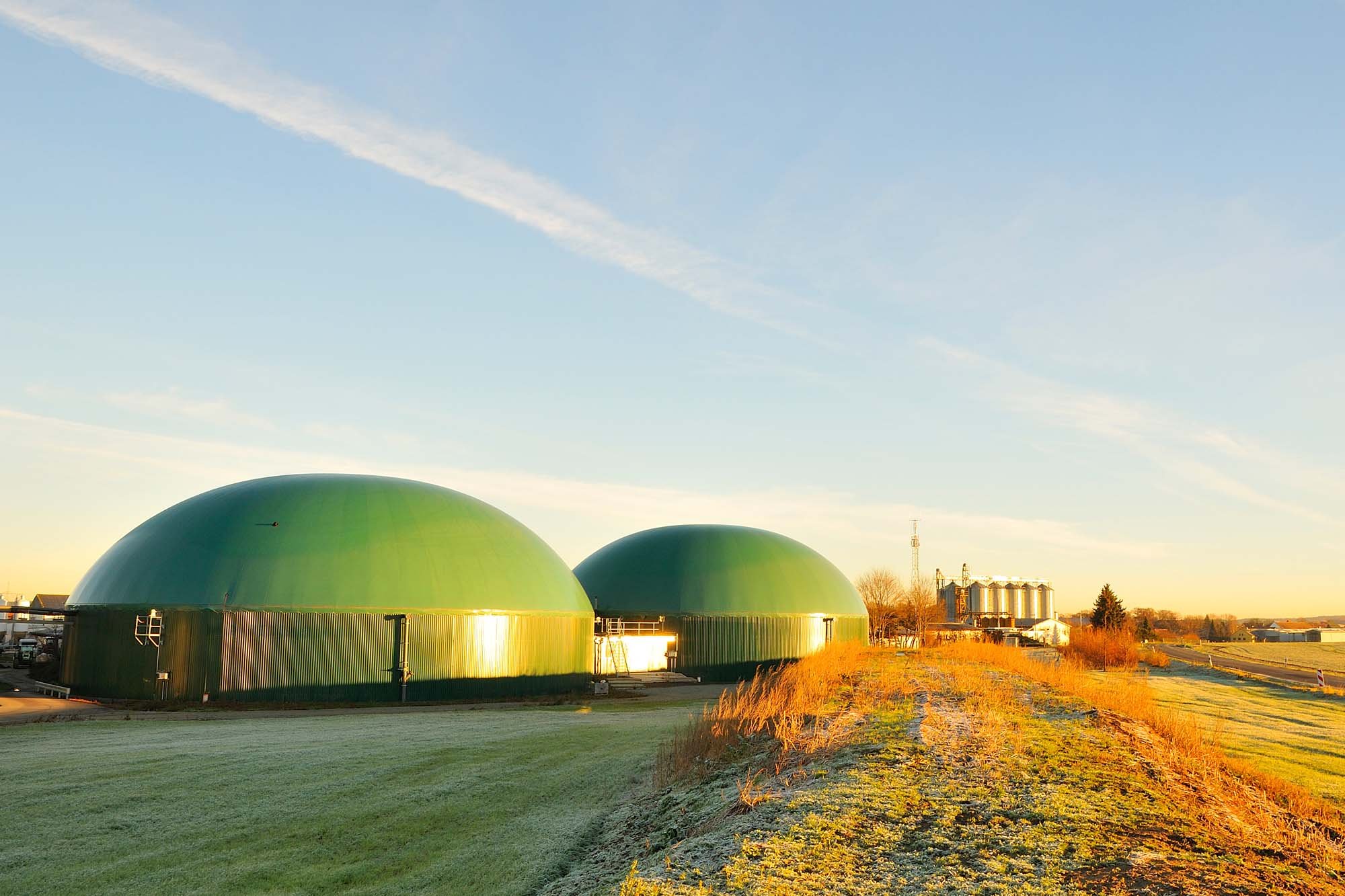
Siloxanes are commonly found in both biogas and landfill gas. This family of organic compounds have a negative impact on machinery causing wear on internal parts with increased operating costs as a result.

biogas

Analytical method & sampling procedure

This analysis is performed using procedures adapted from EPA Method TO-17, ISO Method 16017, and NIOSH Method 2549.

Air samples are collected into tedlar bag on-site and then, using a syringe, a 60ml aliquot is drawn through the TD tube (type SVI). Sampling kits and instructions are provided to the client.


white clouds


The method covers the following linear & cyclic siloxanes:

 
Typical sampling volumes
0.05 to 1L
TD Tube Volume = 0.05L for µg/m3
calculation
RL Units RL Units
Parameter Synonym ng µg/m3
DECAMETHYLCYCLOPENTASILOXANE D5(CVMS) 10 200
DECAMETHYLTETRASILOXANE MD2M(LVMS) 10 200
DODECAMETHYLCYCLOHEXASILOXANE D6(CVMS) 10 200
DODECAMETHYLPENTASILOXANE MD3M(LVMS) 10 200
HEXAMETHYLCYCLOTRISILOXANE D3(CVMS) 10 200
HEXAMETHYLDISILOXANE MM(LVMS) 10 200
OCTAMETHYLCYCLOTETRASILOXANE D4(CVMS) 10 200
OCTAMETHYLTRISILOXANE MDM(LVMS) 10 200


Frequently asked questions

  • What are the most common siloxanes found in LFG/biogas?

    Octamethylcyclotetrasiloxane (D4), and decamethylcyclopentasiloxane (D5) are commonly reported from landfill gas samples. D4 and D5 are often observed in biogas, while trimethylsilanol is not as common.

  • Can the samples be collected and submitted in a Tedlar bag instead of sampling with a tube?

    The method permits sample collection with Thermal desorption tubes and Tedlar bags. The sample is collected into a tedlar bag and on-site an aliquot is drawn onto a TD tube with a syringe.

  • Will high humidity affect the sample results?

    Some of the siloxane compounds are soluble in water (most notably Trimethylsilanol and D3). Therefore, high humidity (>90%) may hinder the overall siloxane recovery. Condensation inside the tubes may also reduce the performance of the sorbent resin, however the SVI tubes utilized by ALS for this perform well in the presence of significant moisture.

  • What about inclement weather?

    SVI tubes perform well down to -15 °C/ 5 °F

  • Are there advantages in transferring the sample onto TD tube on-site?

    Holding time for samples in Tedlar for siloxanes testing is 72hrs, however collection on-site onto TD tube stabilizes the samples and extends the hold time to 14 days. Thermal desorption tubes are cost effective, and easy to ship.

  • What is the sample hold time?

    TD tubes are stable for up to 14 days after sampling and may be stored at room temperature prior to analysis. Tedlar bags may be stored for 72 hours prior to analysis.

  • Which siloxanes will be on my report?

    There is no specific target analyte list in ASTM D8230. The list reported varies among laboratories from 5 to 22 siloxane compounds.

    ALS reports the following silxoanes:

    (see table above)

    • Trimethylsilanol
    • Hexamethyldisiloxane (L2)
    • Hexamethylcyclotrisiloxane (D3)
    • Octamethyltrisiloxane (L3)
    • Octamethylcyclotetrasiloxane (D4)
    • Decamethyltetrasiloxane (L4)
    • Decamethylcyclopentasiloxane (D5)
    • Dodecamethylpentasiloxane (L5)
    • Dodecamethylcyclohexasiloxane (D6)
  • What units are used for the results?

    ALS reports results in:

    • μg/Tube