




























 Login
Login


Color matching and skin undertone: the scientific path to more accurate and inclusive color cosmetics
The demand for color cosmetics that truly match the consumer’s skin tone has never been greater. Tinted foundations, concealers, and sunscreens have shifted from being just makeup to becoming part of daily skincare. Achieving reliable color matching remains a technical and scientific challenge, particularly in chromatically diverse markets such as Brazil.
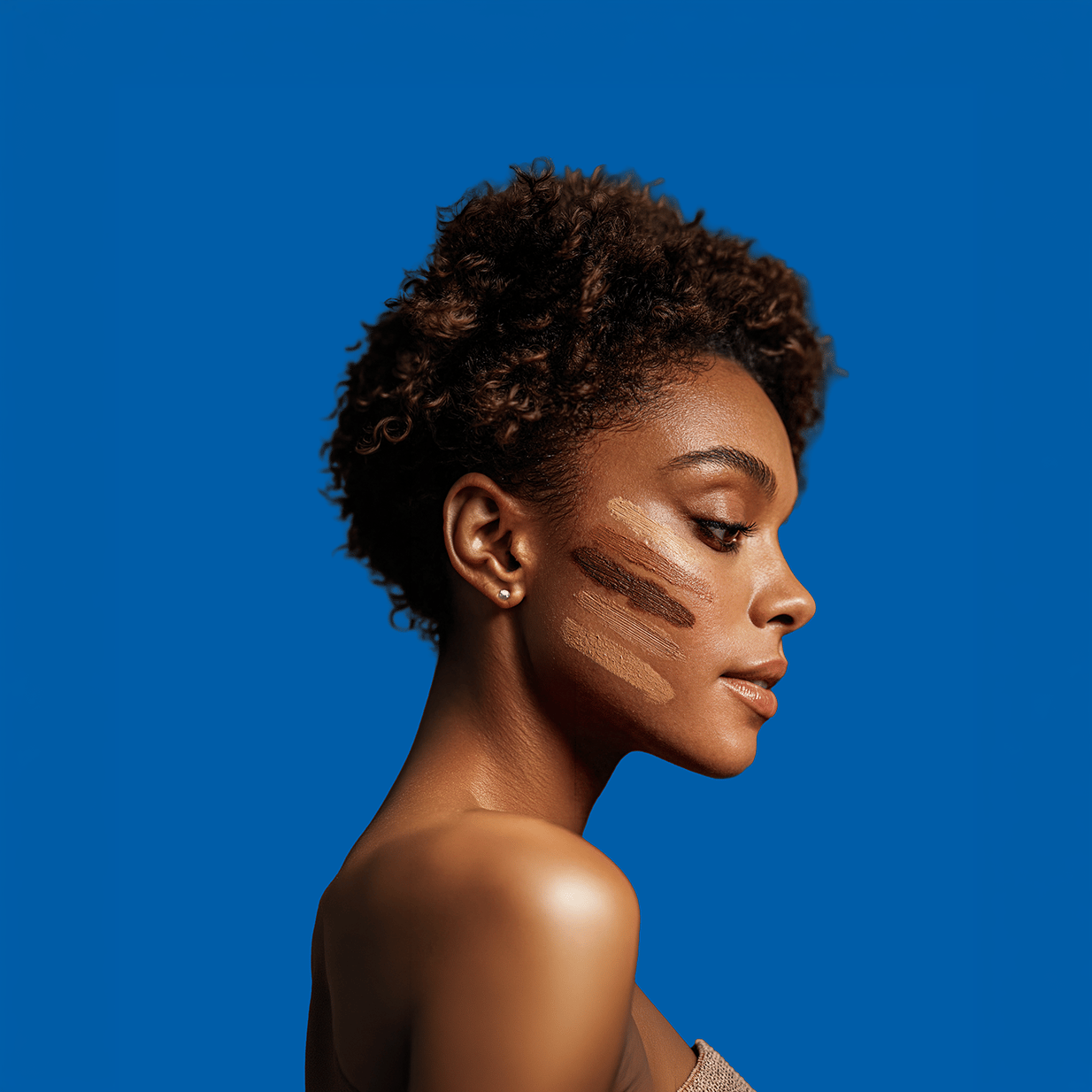
In this article, we explore the concepts of skin tone and undertone, the impacts of this complexity on the cosmetics industry, and how science can transform a traditionally subjective process into reliable and actionable data.
The growing demand for color cosmetics
Consumers expect products that can even out skin tone, soften imperfections, and respect individual differences. Populations with high levels of racial mixing increase the range of tones and undertones products must serve, raising expectations for inclusion and performance.
Color matching affects product satisfaction and brand reputation. Relying solely on visual assessment can introduce bias and increase launch risk. Taking account that skin color is a complex combination of ethnicity, phototype, undertone, skin reflection, and light incidence, the use of objective methods might reduce uncertainty and inform formulation and portfolio strategy.
Skin tone versus skin undertone: understanding the difference
What is skin tone? Skin tone describes visible skin colour, from light to medium to dark, and is primarily determined by the amount and distribution of melanin. Phototype describes how the skin responds to ultraviolet radiation and tanning.
What is skin undertone? Undertone describes the apparent temperature of the skin under light. It is commonly classified as cool, neutral, warm, or olive. Undertone depends on structural and physiological factors, such as:
- Skin thickness
- Tissue depth
- Visibility and concentration of blood vessels
- Proportion of pigments, such as melanin, bilirubin, and carotenoids.
These factors affect how skin reflects light and explain why people with similar skin tones can have completely different undertones.
The challenge of color matching for consumers and industries
Consumers want a product that “disappears” on application. The cosmetics industry must deliver formulations that cover a wide range of skin tones and undertones while maintaining performance.
Standardized and scientifically driven clinical and instrumental tests are essential to convert subjective judgement into reproducible data before product launch.
Scientific assessment of skin tone and undertone
Colorimetry, combined with specialized analytical instruments, provide objective, reproducible measurements of skin color. Combining controlled visual panels with instrumental data allows for:
- Assessing color-cosmetic performance accurately
- Identifying shade gaps in product portfolios
- Comparing human perception to objective data
- Supporting formulation and portfolio decisions with data.
Beauty and Personal Care at ALS: applying scientific rigour
Beauty & Personal Care at ALS develops scientific methods to assess tone and undertone matching after product application.
Our approach adds scientific rigor to a topic often treated as subjective and supplies scientific evidence for strategic decisions, from formulation to market positioning.
Transform diversity into innovation
In a market increasingly driven by personalization and inclusion, a deep understanding of skin tone and undertone has gone from being a differentiator to a necessity. Testing, measuring, and validating color matching based on scientific evidence enables more efficient, representative, and competitive color cosmetics.
Do you want to know how to apply scientific skin tone and undertone assessment to your color cosmetics?
Talk to the ALS Beauty & Personal Care experts at ALS to learn how scientific tone and undertone assessment can improve your color-cosmetic development.
Contact us by email at bpc@alsglobal.com and take the next step towards products that truly connect with the consumer’s skin.
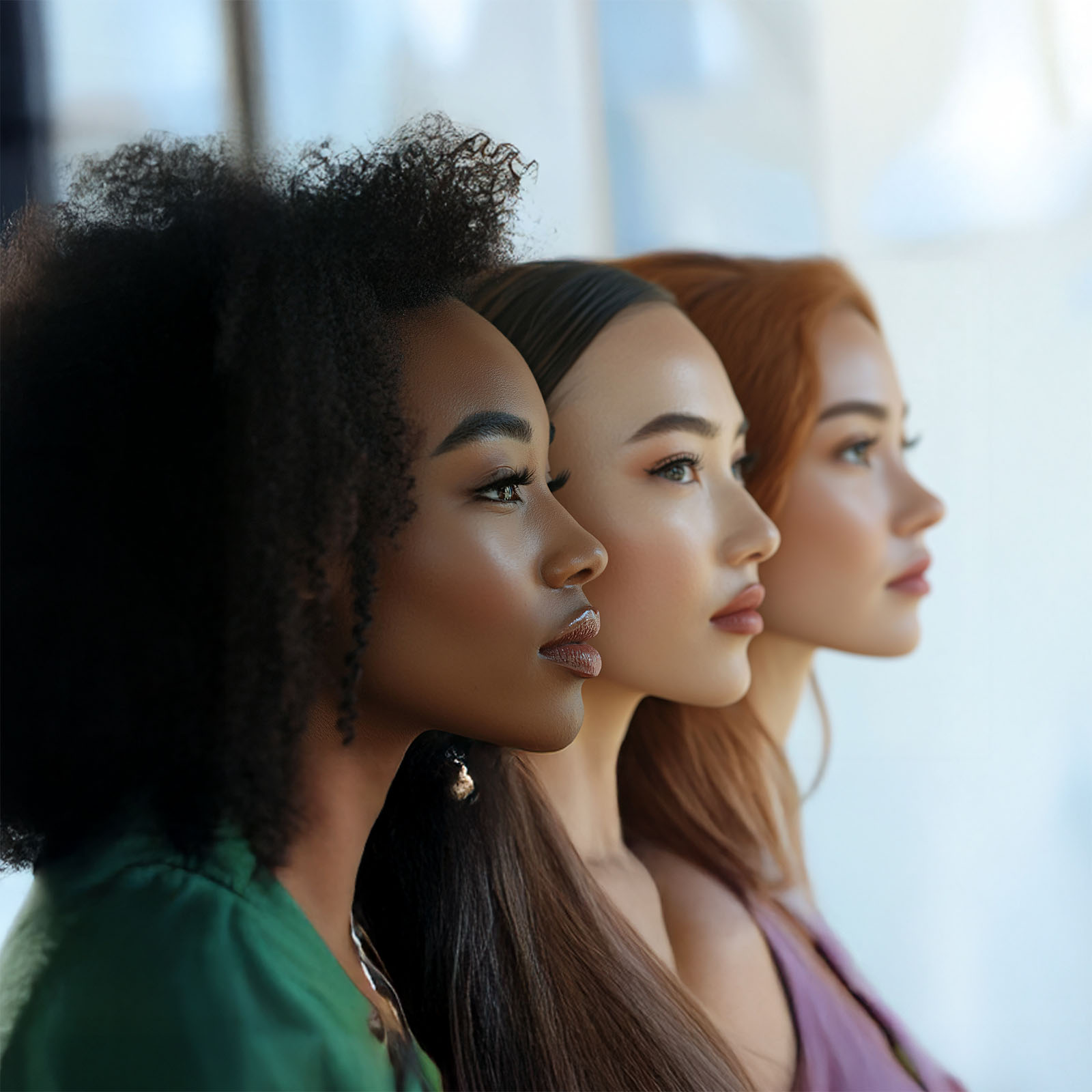
Ethnicities and Cosmetics: The Relevance of Diversity in the Study and Development of Products
Diversity is an unquestionable reality in the contemporary world, especially in the cosmetics field. Consumers of different ethnicities demand products that meet their specific skin and hair needs. For the industry, this scenario represents a challenge, as well as an innovation opportunity.
Learn More about Ethnicities and Cosmetics: The Relevance of Diversity in the Study and Development of Products
Consumer Research and Brand Connection
Brands are increasingly committed to creating meaningful connections with consumers. These connections go beyond products, considering the consumer as a complete human being, with reason, emotion, values, and social interactions. Technology has been an ally in this process, facilitating proximity through social media and allowing for more personalized and humanized communication.
Learn More about Consumer Research and Brand Connection
Consumer perception
<span style="line-height: 107%;">Sensory studies with consumers are a powerful tool for brands to understand how their products affect consumers</span>
Learn More about Consumer perception