Industrial Minerals
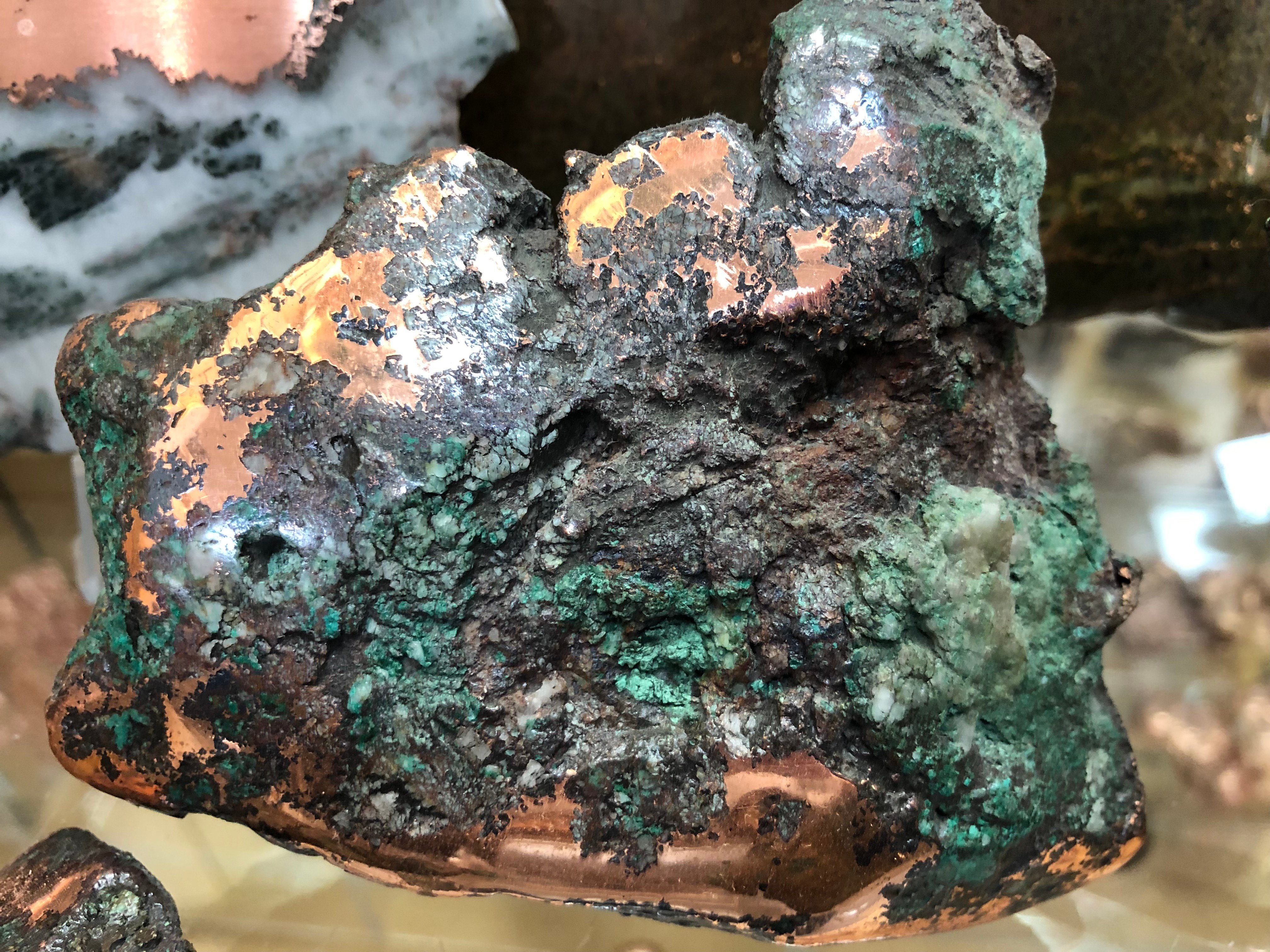
The definition of industrial minerals generally excludes metallic minerals, fuels, and gemstones. However, there are some metallic minerals such as magnesite and ilmenite/rutile, which are still considered in the industrial mineral grouping. The use of industrial minerals is varied and extensive, and includes application in batteries, fertilisers, and steel production.
Extensive range of methods
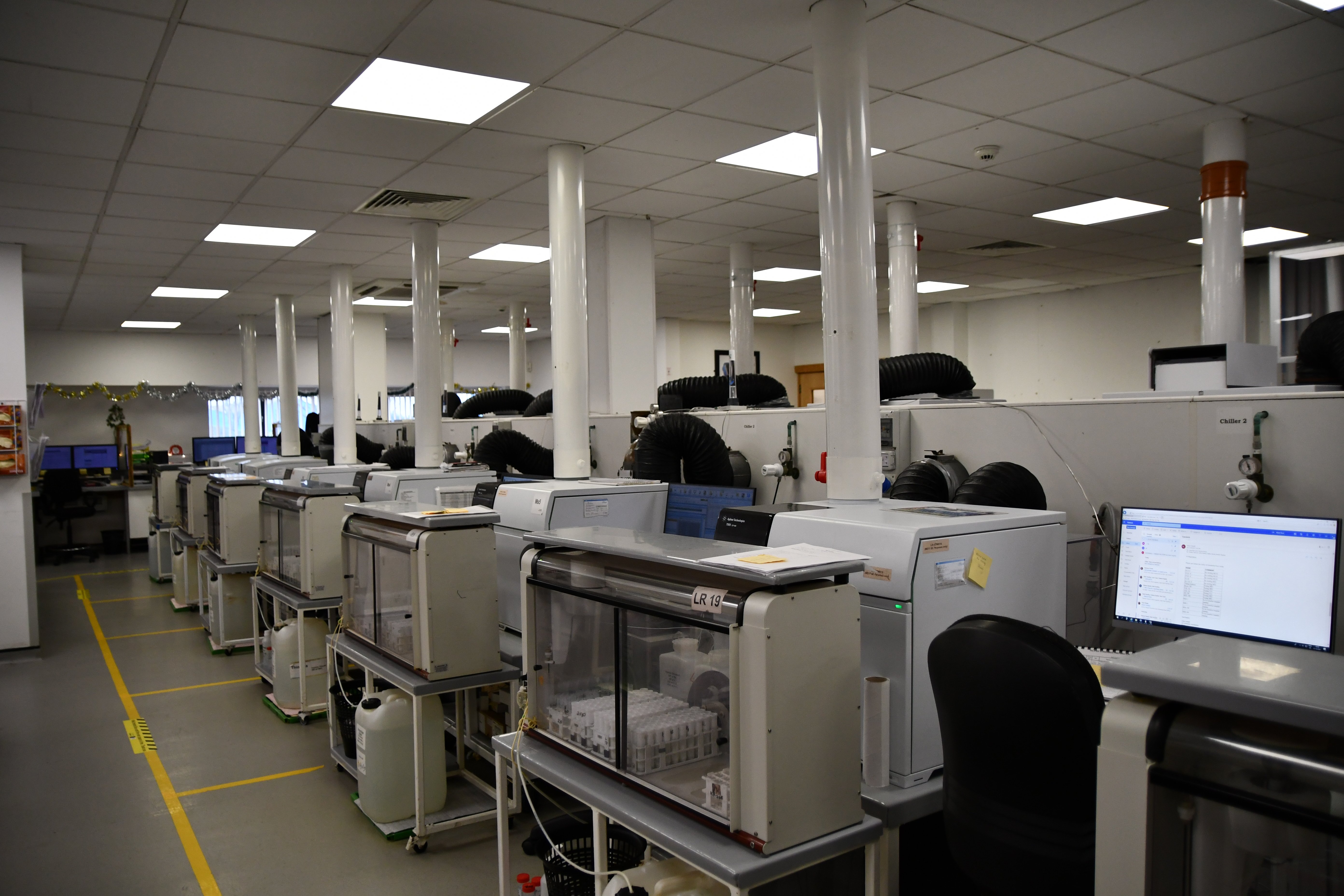
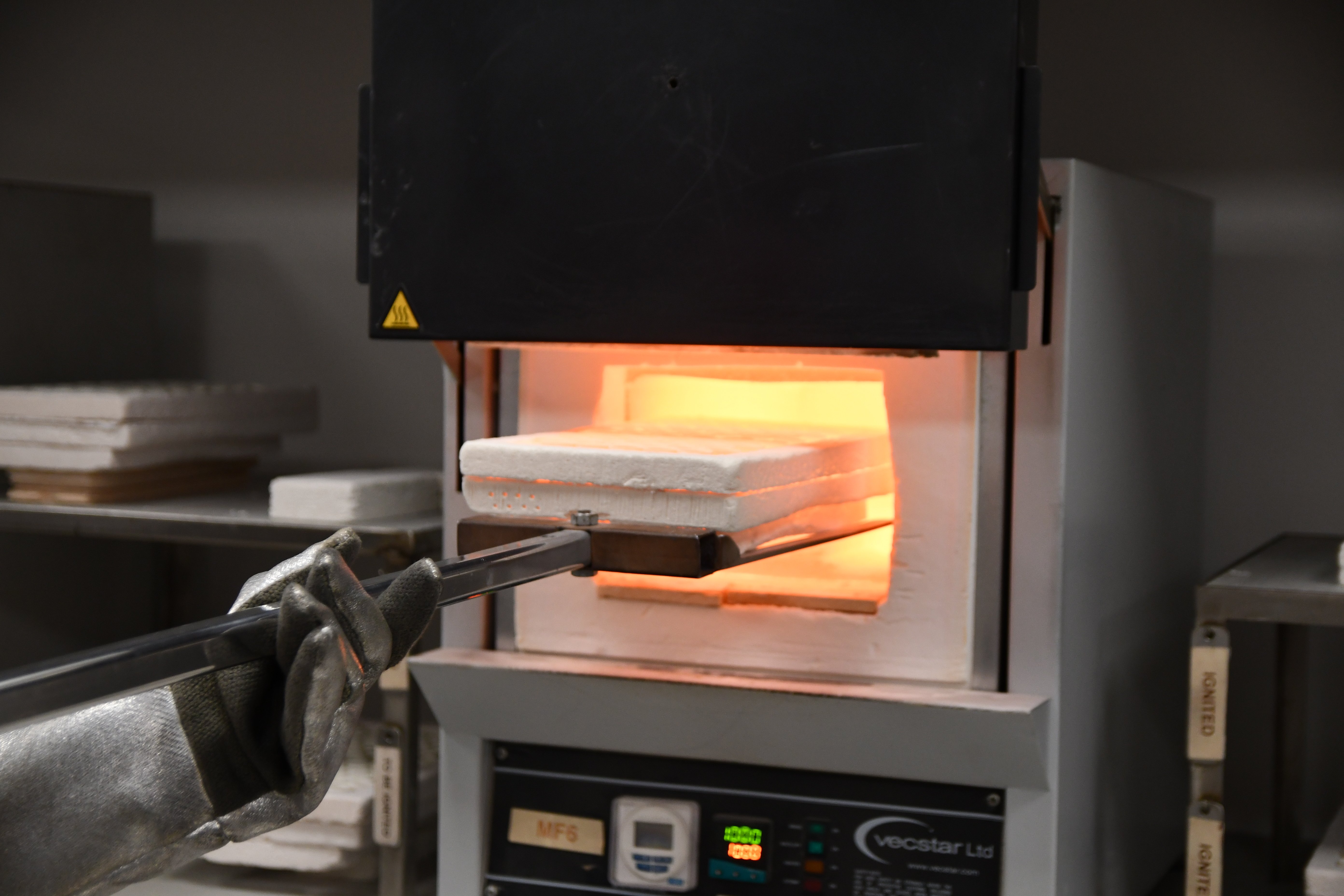
ALS offers methods suitable for a range of industrial minerals including, but not limited to, graphite, bauxite, rare earth elements, magnesite, ilmenite/rutile, limestone/dolomite, clays, potash, lithium, boron, phosphates, zircon, talc, soda ash, fluorspar, silica, and feldspar. Some of the more commonly analysed materials, such as bauxite and lithium, are described in more detail in other sections of this webpage. For industrial minerals the optimal choice of analytical method will depend on several factors; resistivity of the minerals to decomposition and analysis, the expected concentration of the elements of interest, and any requirement to know the concentration of other elements that may be considered deleterious.
LEARN MORE





























 Login
Login