



























 Login
Login


Did you know? #1 USA Environmental
The Best Time to Involve Your Laboratory Is Before Sampling Begins
Introducing DYK: Behind the Results — a new ALS series exploring the planning decisions, quality controls and laboratory processes that help deliver reliable, fit-for-purpose environmental data.
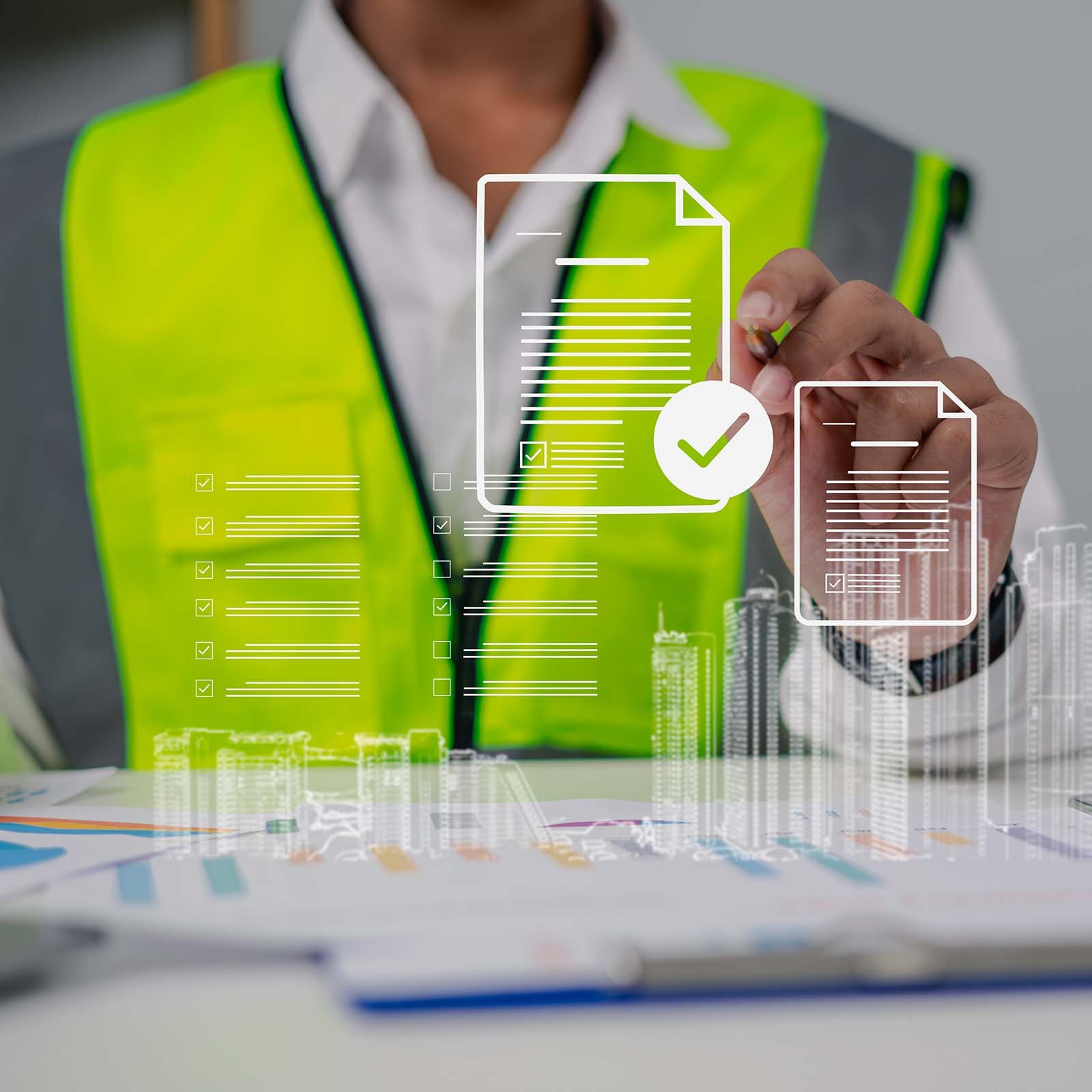
Did you know? Involving the laboratory from the start can lower project costs and improve the overall outcome.
A startup meeting that includes the laboratory is recommended for every new project.
By informing the laboratory early about required logistics solutions, data deliverables and any deviations from the laboratory’s standard reporting format, the project team can save time and reduce the risk of corrections after results have been reported.
Establish the requirements early
Before sampling begins, the laboratory should understand the requirements that will shape the work, including:
- Analytical methods and target analytes dictated by regulatory programs
- Required reporting limits that differ from the laboratory’s standard limits.
- Data-quality objectives
- Data deliverable needs
- Sample archival requirements
Early coordination gives the laboratory an opportunity to identify method, schedule, preservation, and reporting constraints before they affect the field schedule or the usefulness of the final data.
Some changes cannot be made later
Early alignment is especially important because some laboratory requirements are built into the method, calibration, quality-control design, or sample handling plan before the samples arrive.
A laboratory may be able to accommodate certain late additions when the existing method and quality-control design already support them. Other changes may not be possible after analysis, including:
- A lower reporting limit that requires a different method
- A new analyte that was not included in the original method or calibration
- Quality documentation required by a regulatory program but not planned from the beginning
The top takeaway
Bring your laboratory into the planning conversation before sampling begins. A short discussion early in a project can improve reliability, avoid preventable costs, and support data that is fit for its intended purpose.
ALS can help identify feasible analytical approaches before work begins, confirm data-deliverable requirements, and advise on options that improve reliability while managing total project cost.