


























 Search
 română
























 Login
Login


Alternative SPF testing methods: In Vitro SPF Validation Matters Now
Why Alternative SPF Testing Methods Are Transforming Sunscreen Development

The sunscreen industry is moving towards non-invasive, in vitro SPF testing methods to address the growing needs for faster development cycles, reliable data, and alignment with international standards.
Ethical consumer demand and growing regulatory acceptance of alternative methods make this transition essential for ensuring compliance and reducing risks in global markets.
What Is ISO 23675 and Why Is It Important?
ISO 23675 enables faster, reproducible SPF testing aligned with EU standards.
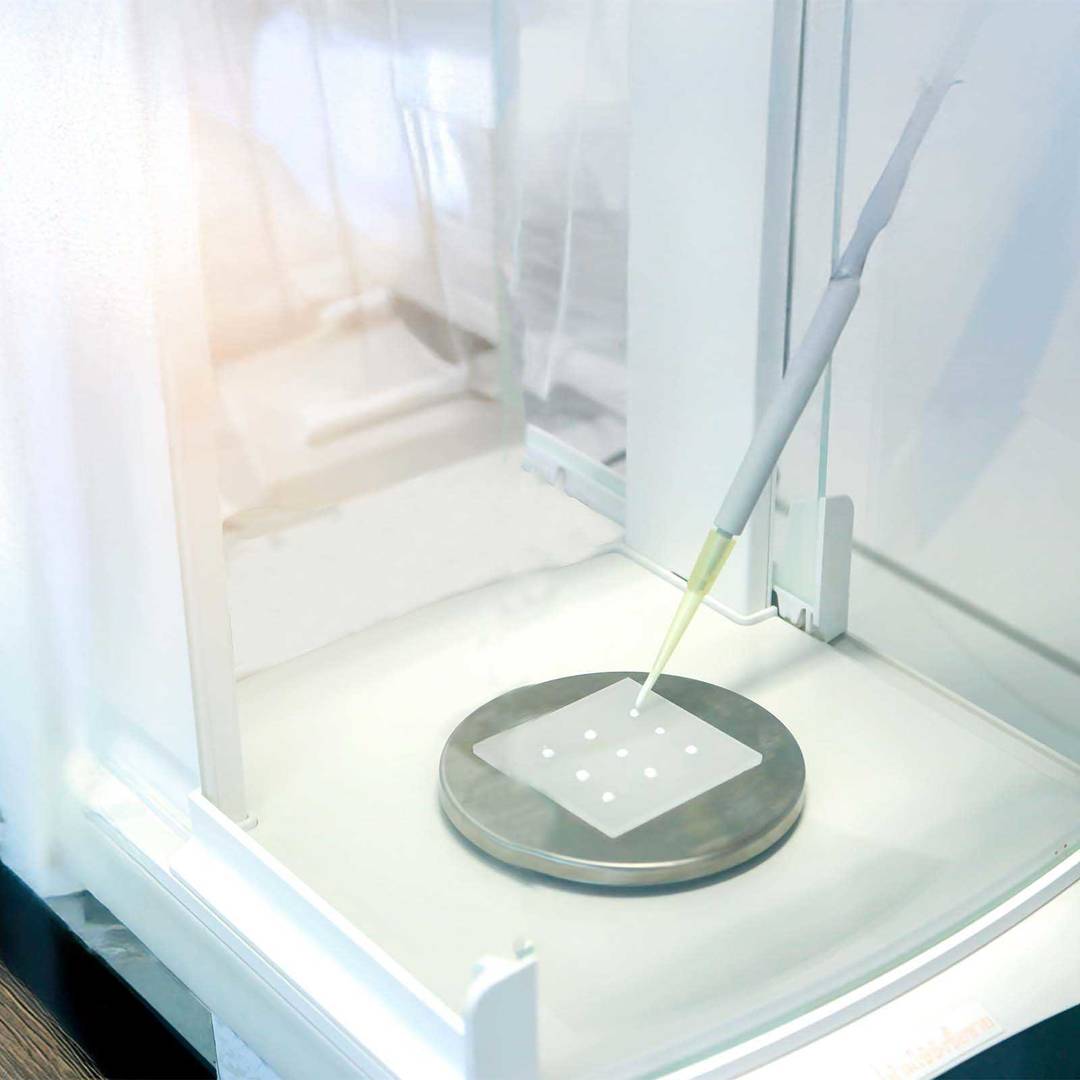
ISO 23675 defines the Double Plate Method, an in vitro approach for determining SPF values without human testing. This method is recognized by Cosmetics Europe and the Therapeutic Goods Administration (TGA) of Australia, making it a cornerstone for modern sunscreen evaluation.
Is ISO 23675 Accepted by Regulators?
Regulatory acceptance is strong in the EU and recognized in Australia, while other regions remain under review.
European Union: Cosmetics Europe Recommendation No. 26 (June 2025) endorses ISO 23675 for SPF determination.
Australia: Although current requirement for SPF testing for Australian sunscreens is the AS/NZS 2604, which still requires ISO 24444:2019, TGA is evaluating the suitability of alternative methods, including ISO 23675, and does not prevent sponsors to obtain additional supporting data for sunscreen compliance, including tests as ISO 23675.
United States & Brazil: The FDA (Food and Drug Administration) - U.S. federal agency responsible for regulating food, drugs, medical devices, cosmetics, and other health-related products - and ANVISA (National Health Surveillance Agency) - Brazil’s regulatory authority overseeing health products, including medicines, cosmetics, and sunscreens - have not yet commented on the acceptability of alternative SPF methods.
Why R&D Teams Are Adopting Alternative SPF Methods
- Shortens Development Cycles: Automated in vitro testing reduces turnaround time and minimizes repeat studies.
- Improves Data Reliability: Reproducible results give confidence in formulation performance and stability.
- Supports Scientific Responsibility: Non-invasive testing reflects modern, evidence-based practices expected by advanced labs.
Adopting internationally recognized alternative SPF testing methods like ISO 23675 streamlines regulatory approvals and speeds up market access across regions.
Aligning with global protocols reduces compliance risks, improves data consistency, and helps companies launch products faster in competitive markets.
Regulatory View: Compliance and Documentation
In vitro SPF testing enhances regulatory assurance and operational efficiency.
For Regulatory Affairs professionals, ISO-aligned methods simplify traceability and audit readiness. Standardized data packages streamline submissions and reduce compliance risks across multiple markets.
Why Early Adopters Are Moving to the Double Plate Method
Contract manufacturers and ethical brands are leading the transition. By adopting ISO 23675 early, they position themselves as innovators in sustainable and scientifically responsible sunscreen development.
Market Adoption and ALS Readiness
Alternative SPF methods are no longer optional, they are becoming the standard for fast, reliable, and compliant sunscreen development. For sunscreen brands, adopting ISO 23675 now means staying ahead of regulatory trends and market expectations.
ALS laboratories in Brazil are fully equipped to perform ISO 23675 testing under a unified quality system, ensuring global consistency for SPF claims. Our capabilities ensure regulatory compliance and deliver superior quality for sun protection products.
Discover ALS’s expertise in alternative SPF testing methods. Get detailed insights into in vitro SPF testing and ensure your formulations meet global standards.
GET SPF INVITRO TESTING DETAILS


ISO 23698: The Evolution of SPF Testing with a Hybrid Approach
Sun protection is essential to prevent damage caused by UV radiation, such as burns, premature aging, and skin cancer. Traditionally, the efficacy of sunscreens is measured by the Sun Protection Factor (SPF), using in vivo tests with human volunteers, with ISO 24444:2019 being the gold standard.