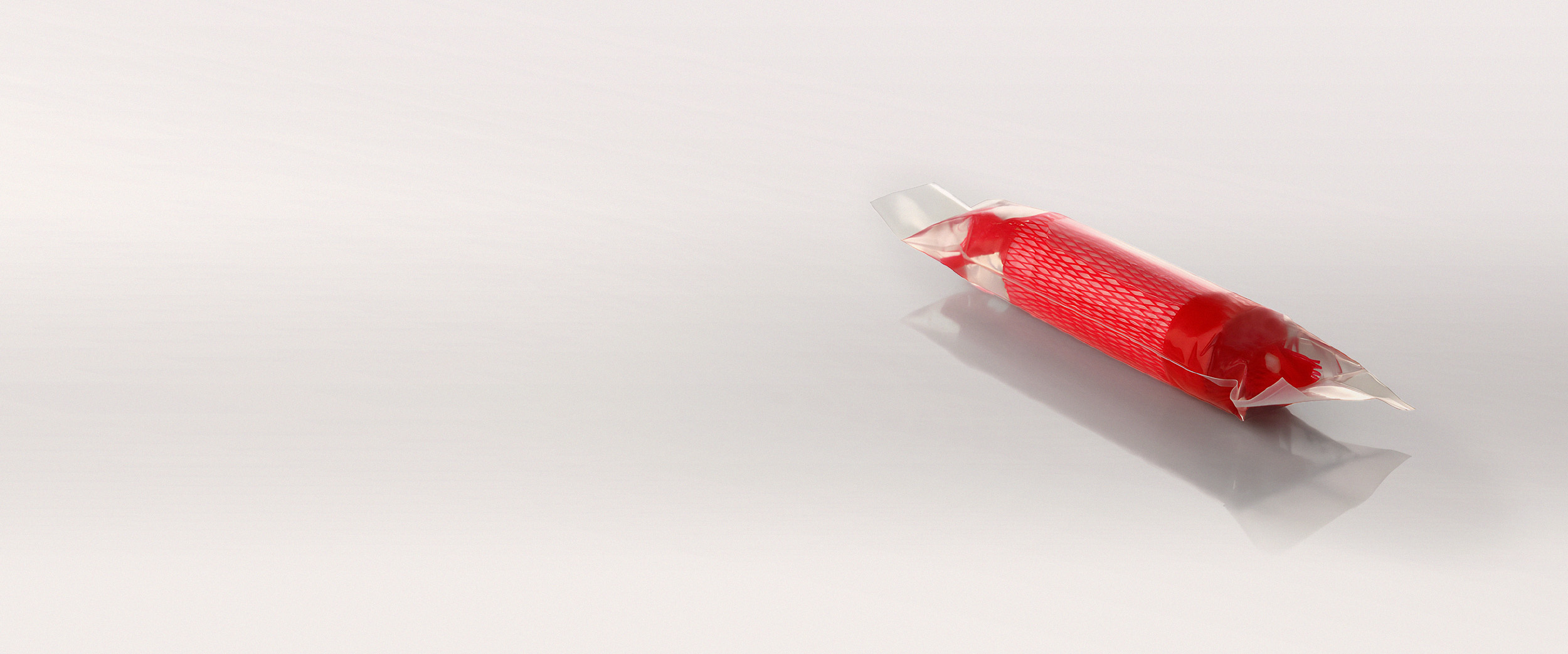
What is a PDB?
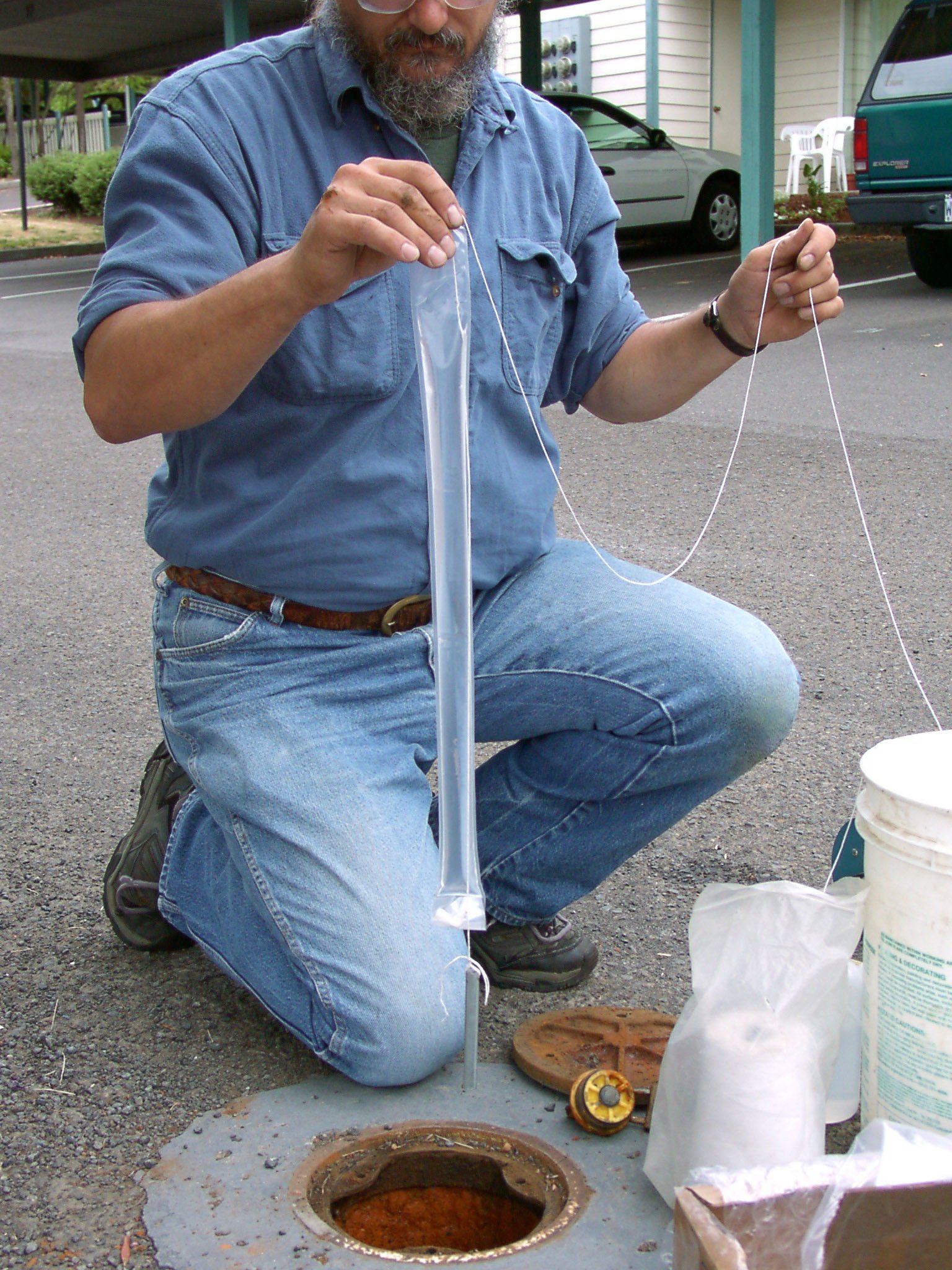
A passive diffusion bag (PDB) is a polyethylene tube or bag filled with analyte-free water. Hung in monitoring wells for periods of 14 days, or until equilibrium is complete between the contaminant in the bag and surrounding groundwater, the PDB operates by diffusion of contaminants across the polyethylene membrane. No purging necessary.
What is a PDB?
PDBs offer a number of advantages over traditional groundwater sampling methods, including:
- No purging required, which saves time and money
- Reduced risk of sample contamination
- Ability to collect samples from remote or inaccessible locations
- More representative samples of groundwater conditions
More on PDBs
Passive diffusion bags (PDBs) are a simple and effective way to collect groundwater samples for the analysis of volatile organics. PDBs work by allowing contaminants to diffuse across a semipermeable membrane from the surrounding groundwater into a bag of analyte-free water. The longer the PDB is deployed, the more representative the sample will be of the true groundwater conditions.
PDBs can be used to collect samples from a variety of different well types, including monitoring wells, production wells, and abandoned wells. PDBs are also ideal for sampling in remote or inaccessible locations.
To collect a sample using a PDB, simply deploy the PDB in the well at the desired depth and leave it in place for the recommended deployment period. After the deployment period is complete, retrieve the PDB and carefully pour the water from the bag into a sample container.
PDBs are a valuable tool for groundwater monitoring and can help to ensure that your data is accurate and reliable.
PURCHASE ALS PDBs


 Global Website
 Search


























 Login
Login