






























Geometallurgy (lump & fines hematite processing)

Geometallurgy is the inclusion of metallurgical test results together with traditional analytical and geological data in mine resource modelling. This statistical analysis provides a more holistic picture of the resource including processing and handling. Few other resource sectors have embraced geometallurgy more than the iron ore majors. One of the most important statistical parameters of hematite direct shipping ores (DSO) is the ratio of lump (+6mm rocks) to that of fines content (<6mm particles) and all of the material characteristics of the two fractions. At the Iron Ore Technical Centre in Wangara, Western Australia, ALS has an entire laboratory and expert team of metallurgists and technicians devoted to this area of metallurgy.
Iron ore geometallurgy services

ALS provide comprehensive geometallurgical testing for hematite ores at the IOTC, as follows:

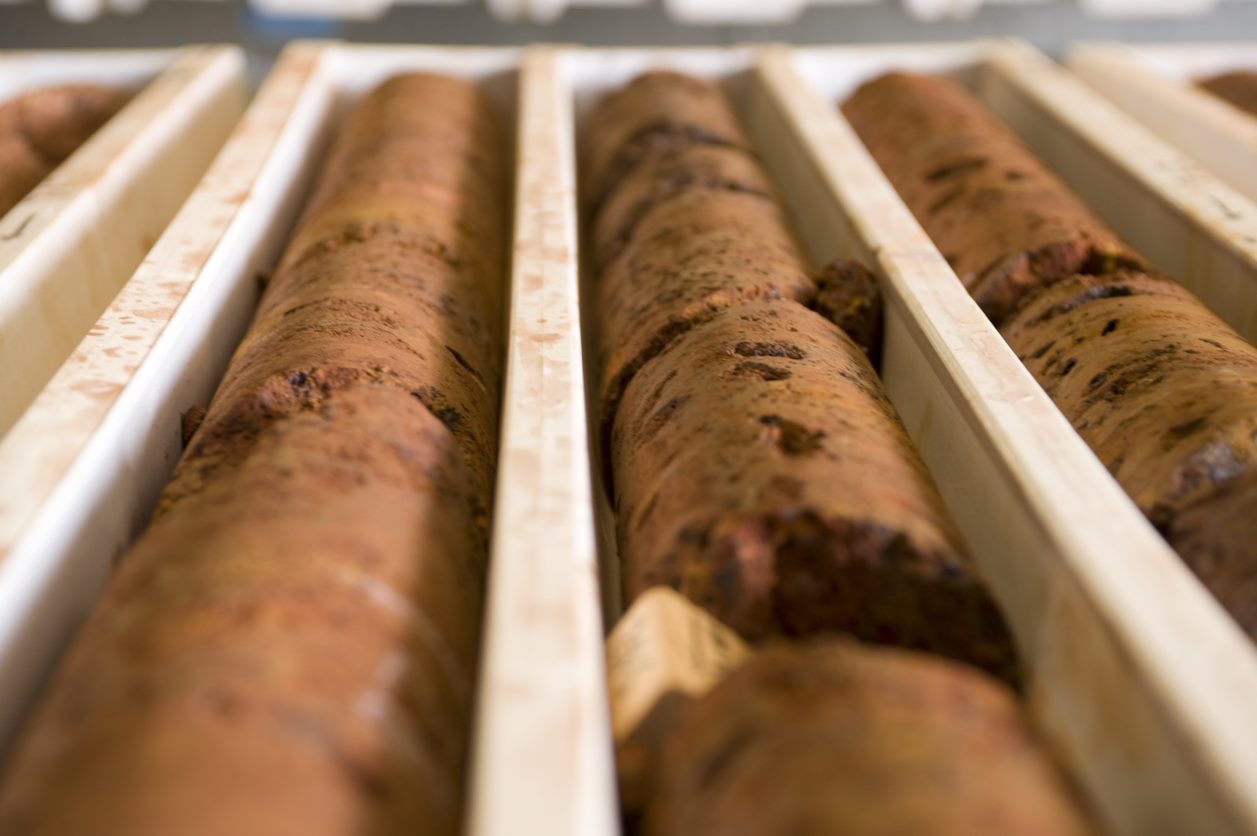
  • At the drill core stage, the samples may undergo HyloggingTM spectrographic analysis, selection and comminution testing of core specimens and compositing selecting.
  • Initial crushing. Once composites have been selected, a dedicated continuous crushing and screening plant is set up with prescribed crusher gaps and screen sizes to facilitate an identical and calibrated crushing process for multiple drill core composites.
  • Representative blending and splitting of the crushed composites into charges for downstream testing.
  • Moisture content and chemical analysis
  • Feed Particle Size Distribution (PSD) Characterization. Typically consisting of sieve analysis on representative samples with sieve apertures ranging from 90 mm to 38 µm. These data will provide valuable insight into the likely behavior of the ore in the industrial plant and give the initially lump and fines ratio.
  • Fresh feed compacted and uncompacted bulk density & natural moisture content evaluation.
  • Comminution testing
  • Drop Tower Testing: On site, our 15 metre automated drop tower is used to estimate lump/fines ratios and the particle size distribution expected from the mine blasting and processing of the ore from the plant inclusive of port and shipping handling right through the end user smelter.
  • Tumble Testing. Similar to the drop tower, this testing observes the result of applied tumbling energy to the ore’s size distribution – measured by before and after PSD.
  • Lump and fines products can then be submitted for further ferrous burden characterization using standards accepted by the International Standards, Organization, Japanese Industrial Standards and Japanese Steel Mills. Tests conducted are as follows:
    • ISO/JIS iron ore physical testing;
    • Tumble Strength (ISO/JIS);
    • ISO/JIS/JSM iron ore thermal testing;
    • Reduction Disintegration Index (ISO/JSM);
    • Reducibility (ISO/JIS);
    • Decrepitation Index (ISO/JSM).

Other related services

Geometallurgical testwork programs routinely occur in conjunction with chemical analysis or HyloggingTM Spectrographic Analysis testwork and magnetic separation testwork.

Don't quite see what you're looking for or need more information?

ALS understands geometallurgy is unlimited in its statistical inputs and we are more than happy to include bespoke or unusual testing in your geometallurgy program.

Please contact us for further details.

Here are some frequently asked questions

  • Will ALS treat hazardous samples?

    Generally, yes. ALS has facilities and procedures to treat fibrous and radioactive samples. Surcharges do apply, however, to cover safety equipment, monitoring and decontamination.: The HPGR is equipped with high powered dust extraction and can be fully enclosed via tailored tenting systems to allow for the evaluation of potentially hazardous ore types.

  • Our samples are from overseas, what do I do?

    ALS is a quarantine approved premises and treats many samples of oversea origin. Strict regulatory requirements are in needed around packaging and paperwork, however. ALS can advise you on these requirements.

  • Can my associates and I view the testwork at ALS’s laboratory?

    Yes, clients are always welcome to visit our facilities and observe samples or tests in progress. Inductions are required and other rules may apply to visitors.

  • Will ALS dispatch my samples to third parties?

    Yes, if a testwork program is in progress, ALS will happily dispatch testwork products and feed samples to vendors, third party laboratories, and customers as required. Fees apply.

  • Does ALS do design engineering and consulting?

    No, as it is not our core business and would put us in direct competition with many of our clients. In the case of HPGR testwork programs, KMA as equipment suppliers, provide engineering and consultancy for their industrial units and can provide relevant information for the manufacture and supply of appropriate Koeppern HPGR units.

Associated testwork services

Related testwork

HPGR test products can be utilized as part of larger metallurgical testwork programs in the production of suitably sized product for downstream testing including:

Click on the above links or contact us for further information. We can integrate a full program for you if required.