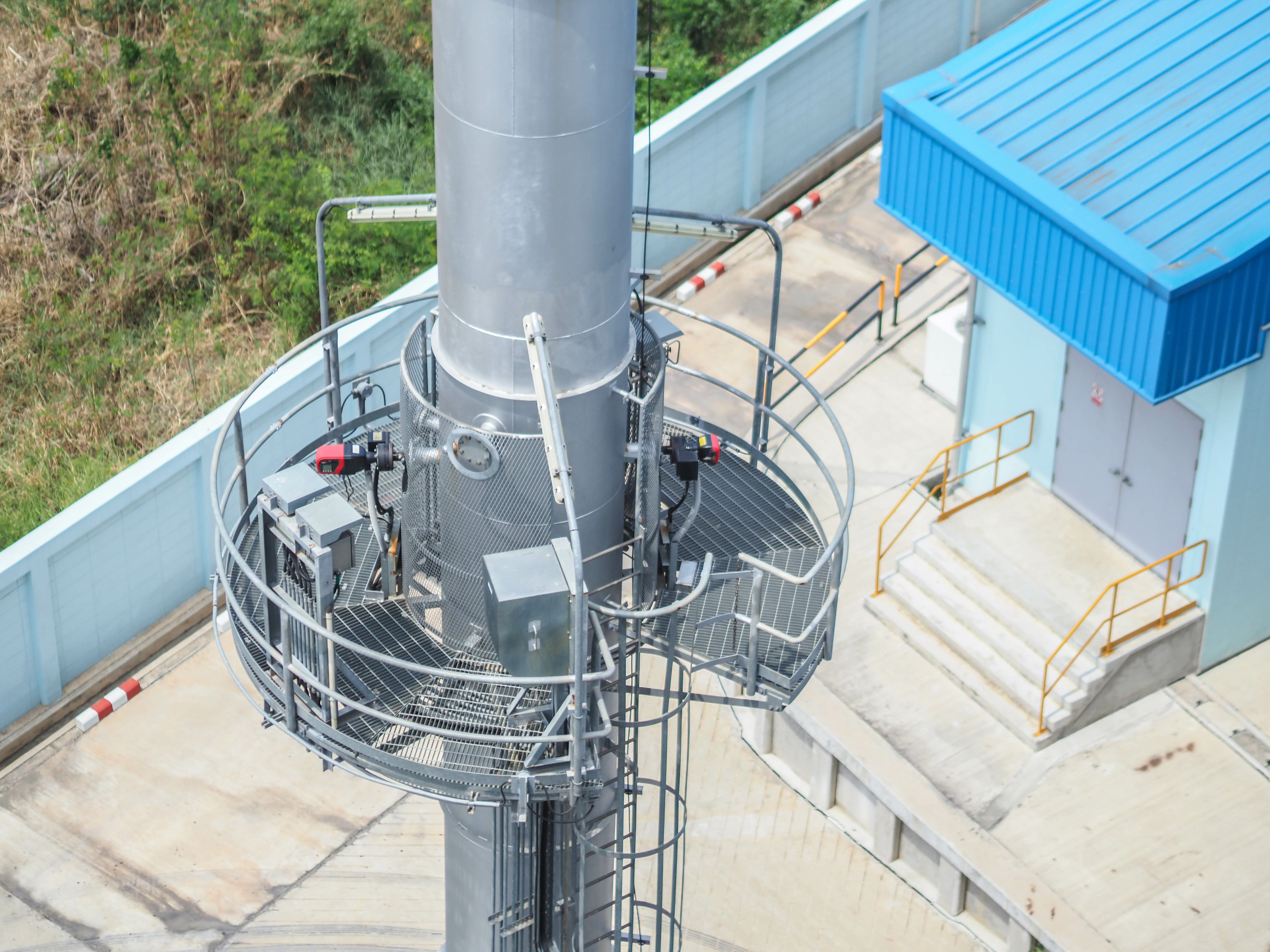




























Sampling & analysis of PM 2.5 & PM 10 in stack emission samples.
PM 2.5 and PM 10 refers to particular matter than is smaller than 2.5 and 10 micron respectively. ALS offer testing of these parameters for stack emission sampling

 Login
Login

ALS Solutions provides you with online access to your sample and analytical information from anywhere.
Login
Retrieve results and track sample progress in real time with access to featured digital products such as CoreViewer™ and ALS QCPro™.
Login
This convenient application lets customers closely track oil analysis reports in process in real time.
LoginPM 2.5 and PM 10 refers to particular matter than is smaller than 2.5 and 10 micron respectively. ALS offer testing of these parameters for stack emission sampling
| Particulate Target Analyte | Applicable Method |
|---|---|
| Total Suspendable Particulate (TSP) | M5, M5D, M17, M201A |
| Particuclate Matter <10microns (PM <10) | M201A |
| Particulate Matter <2.5microns (PM <2.5) | M201A |
| Inorganic Condensible Particulate | M202, RM55 |
| Organic Condensible Particulate | M202, RM55 |
All of these non-condensable particulate targets are determined gravimetrically, either from filter capture or acetone rinse residues. The capture of PM<2.5 and/or PM<10 is facilitated with the use of appropriately sized in-stack cyclones.
Condensable particulate are captured in impinger contents and determined by liquid/liquid extraction of the aqueous impinger content. Both the organic and aqueous phases of the extraction are determined as gravimetric residues. The aqueous residue is the inorganic condensable particulate and the organic residue is the organic condensable particulate.