ALS Solutions provides you with online access to your sample and analytical information from anywhere.
Retrieve results and track sample progress in real time with access to featured digital products such as CoreViewer™ and ALS QCPro™.
This convenient application lets customers closely track oil analysis reports in process in real time.
Stay up–to–date on technical information, capability updates and testing innovations.
A new advanced method to support PFAS in air compliance and risk assessment.
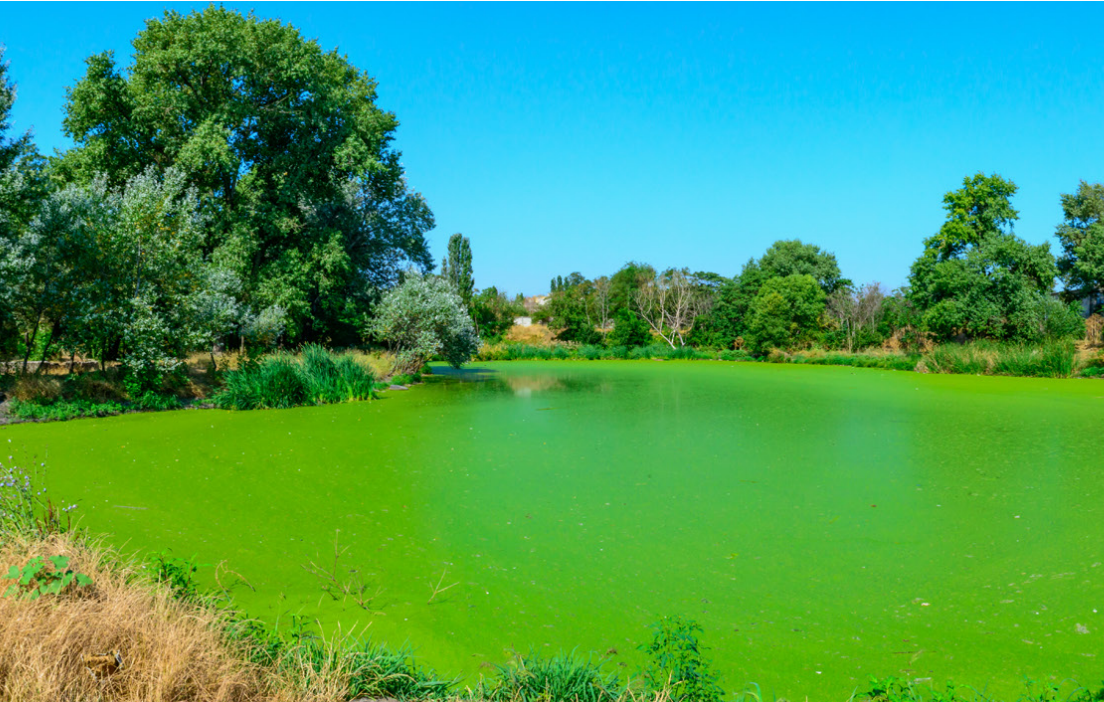
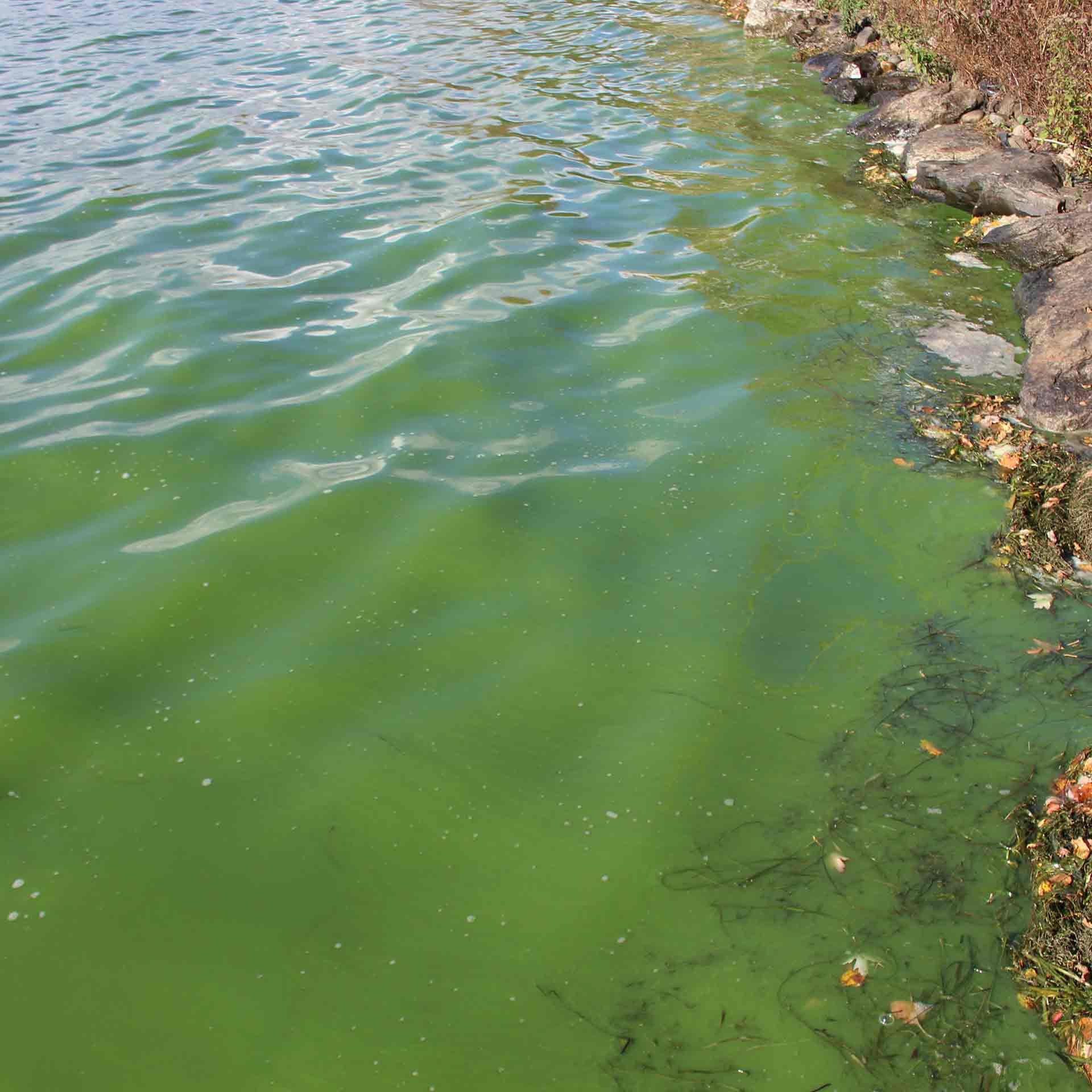
A critical quantitative component of bloom risk assessment to support drinking water management.
Enabling early risk assessment through qPCR analysis, management frameworks and an integrated molecular workflow.
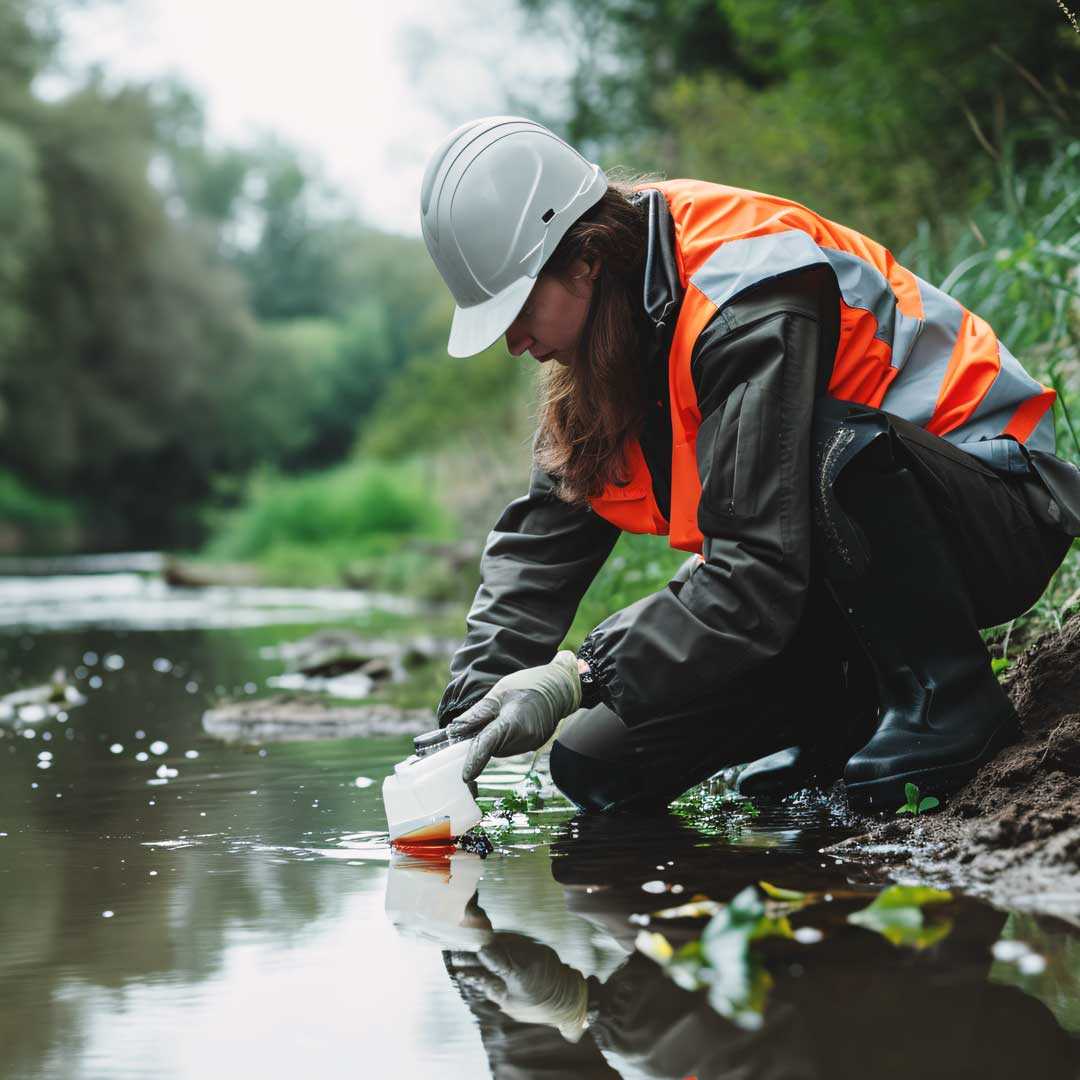
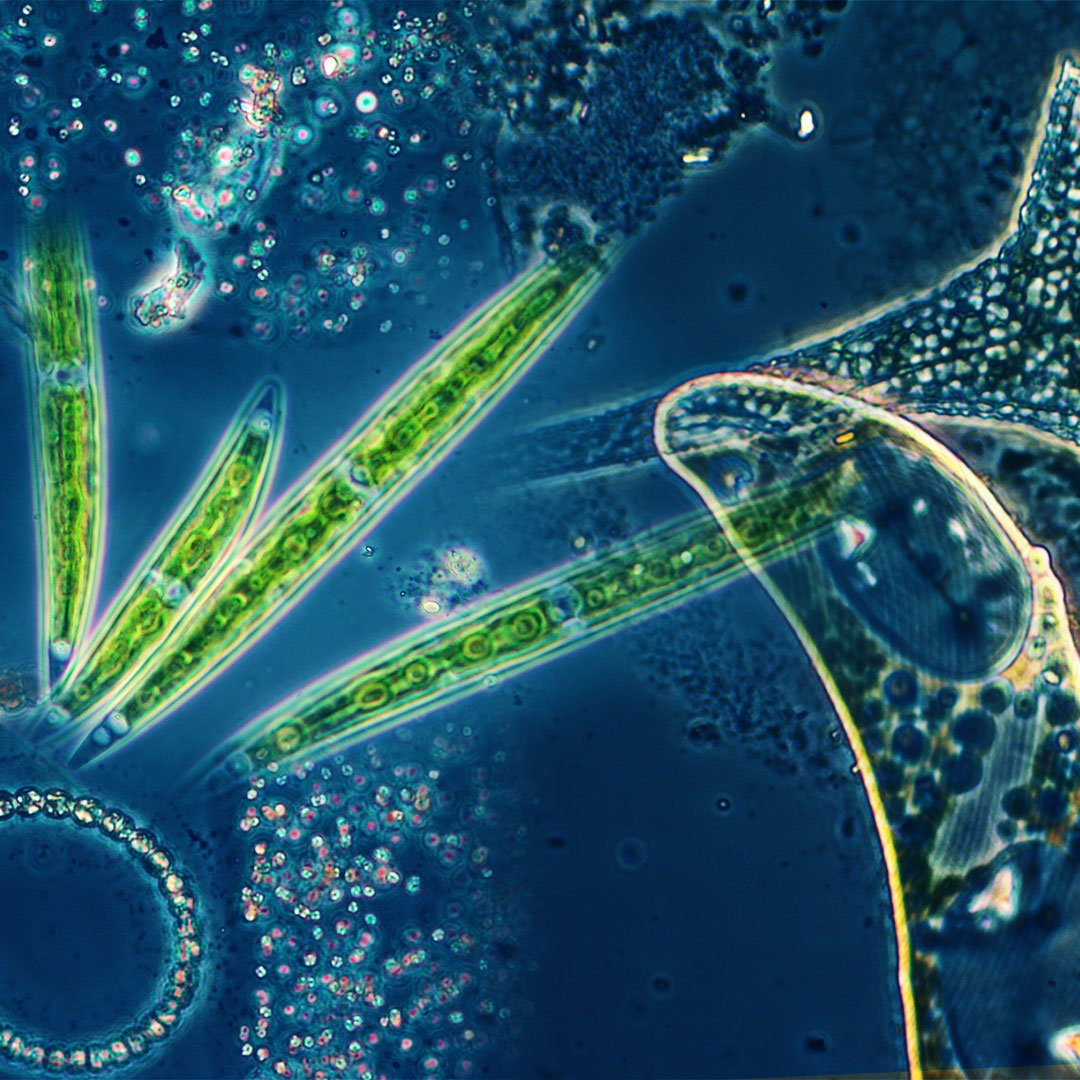
Phytoplankton impacts, monitoring practices for water quality assessments and ADWG compliance requirements .
Volume-based concentration results are changing from 1 May, with updated criteria from NATA on air sampling and analysis.
Introducing Method MM336, a cutting-edge RT‑qPCR approach for four‑hour negative reporting of E. coli in water.
Read more about new testing using the US EPA’s Other Test Method 50 (OTM‑50) and GC-MS/MS.
QLD's Environmental Protection Regulation frameworks, new waste thresholds and what this means for PFAS reporting.
LC-MS/MS, occurrences and pending regulations on fluorotelomer alcohols and other related PFAS compounds.
What are ultrashort PFAS? Read more on their occurrences, remediation and the regulatory landscape that underpins them.
Updates on Publication 1828 – waste disposable categories and how our new PFAS testing suites can help compliance.
The ALS 54 PFAS suite, industrial applications in environmental monitoring and alignment with US EPA Method 1633.
Why coliphages testing is essential to drinking water quality and waterborne disease prevention.
New requirements in AS 5369:2023 and what it means for final rinse water quality.
Discover why canisters deliver superior VOC, TRH and gas analysis for environmental projects.
Expanded PFAS detection across soils and waters, including emerging compounds and full US EPA 1633 compliance.
New sensitive LC‑MS/MS analysis to meet updated triclosan thresholds from the NSW Biosolids Guideline Review.
Discover how we're advancing sustainability through innovation, science and responsible action.
Guidance on interpreting TOP Assay results, with practical steps to avoid common analytical pitfalls.
Supplementary techniques across TOF, TOP‑A and HRMS to detect PFAS precursors and unknowns.
How internal standards, surrogates and isotope dilution affect PFAS analysis under US EPA Method 1633.
Occurrence, regulation and isomer‑specific testing for hexabromocyclododecanes (HBCD) in environmental samples.
Supporting EQuIS workflows for faster data transfer, more accurate analysis and improved data governance with EarthSoft.
Occurrence, environmental behaviour and analysis of monofluoroacetic acid in water.
New workflows for detecting AMR genes (ARGs) through next generation sequencing.