





























Global regulatory drivers

PFAS are increasingly recognised as a global concern and priority. Regulatory frameworks are accelerating across regions to address their persistence and potential human and environmental impacts.

The European Union continues to advance coordinated restrictions and monitoring through the Drinking Water Directive and REACH processes, while the United States is advancing federal standards through the US EPA alongside varied state-level limits. Canada applies national health and environmental guidelines supported by provincial controls, and Australia implements national guidance for site assessment and remediation.

Across markets, recognised analytical standards – including ISO methods and US EPA reference methods – are essential to help ensure reliable, comparable and defensible PFAS data.

State-of-the-art laboratory with high-resolution mass spectrometry and smart data management systems

Leading PFAS accredited testing

ALS provides one of the most comprehensive accredited PFAS testing portfolios in the industry, covering water, soil, air, biosolids, leachates, waste, biota, concrete, firefighting foams and complex matrices. Our advanced methods help deliver a thorough picture of PFAS contamination.

Contact Us

A scientist in a laboratory using a pipette to handle liquid samples, surrounded by laboratory equipment

Prioritizing your project

With an extensive network of PFAS laboratories across the Americas, Europe and the Asia Pacific region, performing tens of thousands of PFAS analyses weekly, ALS delivers responsive service, rapid reliable turnaround times and scalable solutions tailored to projects of every size. ALS is ready to respond with solutions tailored to the needs of your project.

Contact Us

A scientist in protective clothing is testing the water quality of a river or stream.

PFAS testing innovation

ALS actively monitors new and existing projects, drafts requirements in collaboration with regulators and adapts our methods in advance to ensure your projects remain compliant with PFAS legislation and ahead of market. Gain foresight into policy trends and confidence that your data will align with tomorrow’s requirements – not just today’s.

Contact Us

ALS Lab Technicians

Expert global support

Our technical experts provide clear guidance on method selection, sampling best practices, and data interpretation. From project planning through reporting, ALS ensures that clients have the support needed to help navigate complex PFAS challenges with confidence.

Contact Us

Partner with ALS

We provide comprehensive PFAS testing supported by global expertise and accredited laboratory capabilities.

  • Global experience: Extensive cross-regional experience working with varied regulatory and environmental conditions
  • Accredited laboratories: Testing performed in facilities operating to ISO/IEC 17025 requirements and aligned with relevant national regulations
  • Extensive PFAS coverage: Expanded PFAS target lists aligned with evolving regulatory and industrial needs
  • Technical and regulatory support: Guidance on data interpretation, risk assessment, regulatory obligations and remediation planning
  • Efficient and reliable delivery: Validated methods and consistent turnaround times that support compliance and project schedules

Industries served:

  • Environmental agencies/regulators
  • Site assessment and remediation sector 
  • Water industry (all water, biosolids, air)  
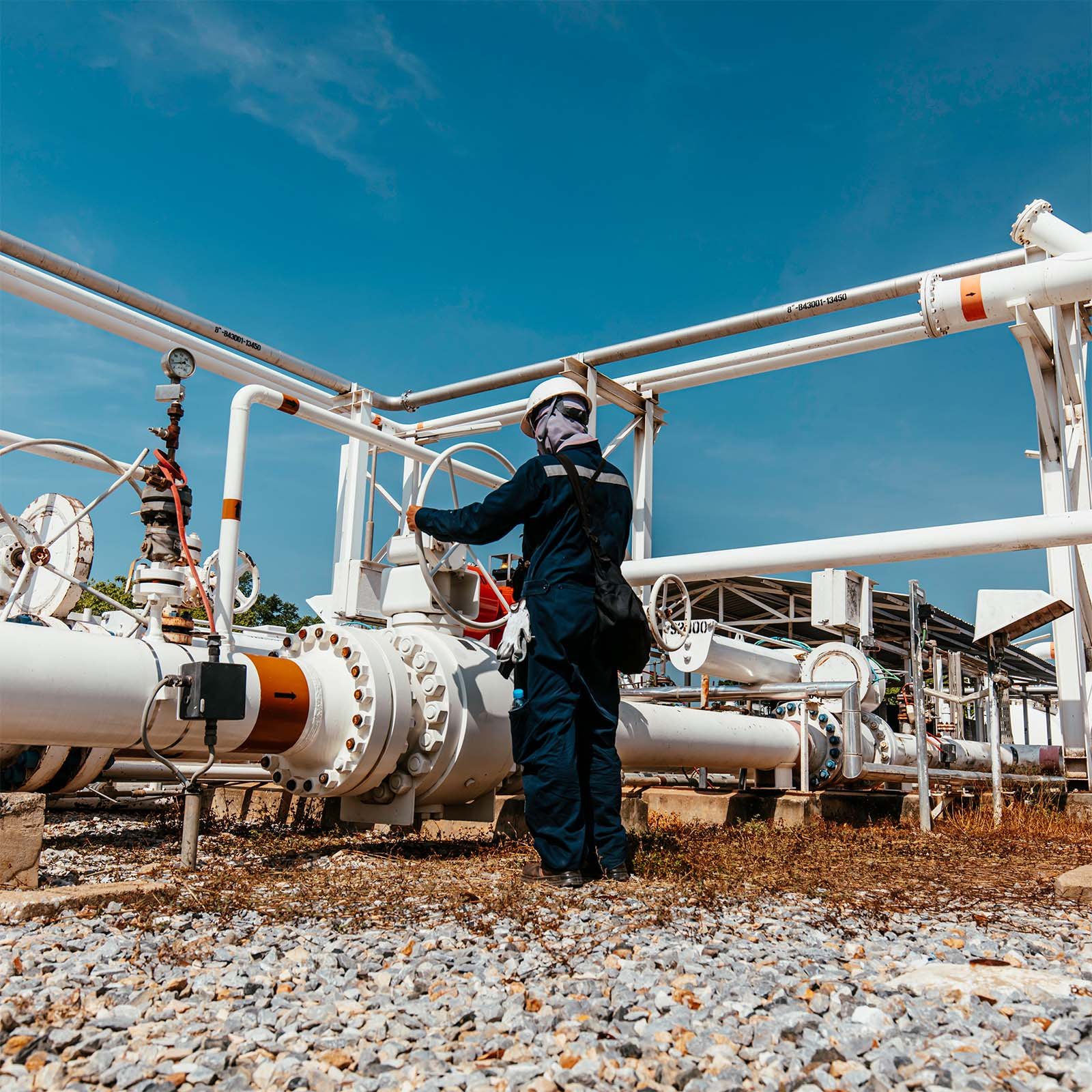
  • Oil and gas/chemical industries 
  • Waste sector including landfills 
  • General industry including plastics, food, cosmetics 
  • Airports/government agencies managing airports 
  • Defense sector
 

    Matrix capability

    Carousel Scroll Item - Water Quality

    Water

    Catchment, drinking, surface, waste, bottled and ground water.

    Contact us
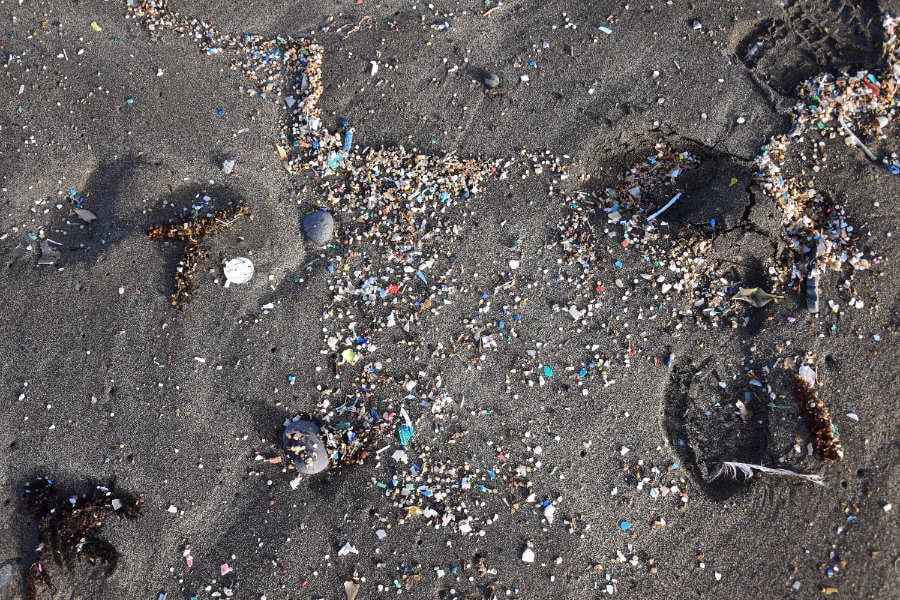
    Microplastics in sediment

    Solid samples

    Soils, Biosolids, Sediment and leachates, filter cakes/sludges.

    Contact us
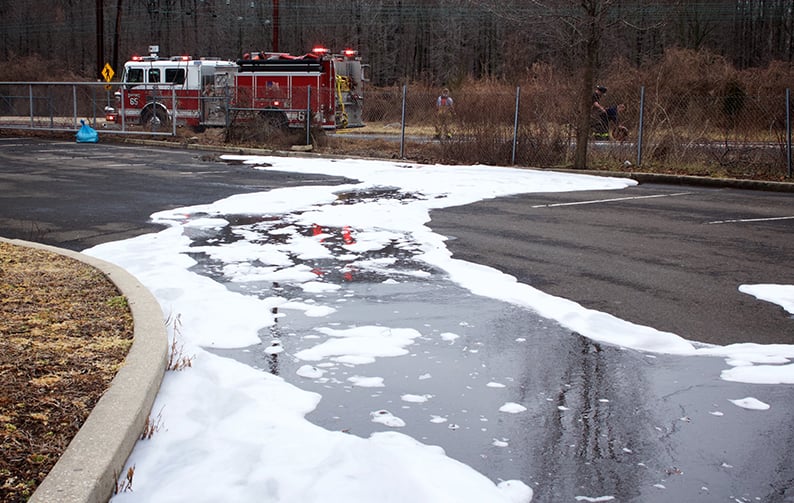
    Firefighting foam mixed with water

    Firefighting foams and industrial fluids

    Contact us
    sunset in sky

    Air, soil gas, stack gas

    Contact us
    A variety of food items including jars of honey, garlic cloves, pasta, cans with pull-tab lids, a bottle of oil, a bag of cashews, and a bag of yellow noodles.

    Food and biota samples

    Contact us
    pfas in cosmetics

    Cosmetics and personal care products

    Contact us

    FAQ

    • What are PFAS and why are they regulated?
      PFAS (per- and polyfluoroalkyl substances) comprise a large class of fluorinated organic chemicals characterised by strong carbon–fluorine bonds, which make them highly persistent in the environment. Their mobility, potential for bioaccumulation and association with adverse health outcomes have led to increasing regulatory control in drinking water, environmental media, consumer products and industrial applications.
    • Which PFAS compounds do you quantify?
      Our analytical scope includes more than 80 individual PFAS, covering long-chain and short-chain perfluoroalkyl acids (PFAAs), precursors, fluorotelomer-based substances and replacement chemistries. Compound lists are continuously reviewed and aligned with regulatory frameworks such as EU REACH proposals, US EPA priority listings and national monitoring programs.
    • Which matrices can be analysed?
      We provide PFAS determination in a wide range of matrices including drinking water, groundwater, surface water, wastewater, soil, sediment, biota (tissue/blood), food, consumer products, industrial intermediates and process materials. Method selection and preparation are matrix-specific to help ensure accuracy and minimise interferences.
    • How should PFAS samples be collected to avoid contamination?
      PFAS sampling requires strict contamination control. We supply matrix-appropriate sampling kits, certified containers and documented field protocols. Materials that may contain PFAS, including certain PTFE-based components, waterproof clothing and sampling tubing, must be avoided. Chain-of-custody procedures and field blanks are recommended to help ensure data defensibility.
    • What analytical methods are used?
      Analyses are performed using LC–MS/MS protocols aligned with recognised standards such as ISO methods and US EPA reference methods (including EPA Method 1633, where applicable). All testing is conducted under ISO/IEC 17025 accreditation with full QA/QC, including calibration verification, matrix spikes, laboratory blanks and control samples.
    • What detection limits are achievable?
      Achievable limits vary by compound and matrix. For water matrices, method detection limits are typically in the low ng/L (ppt) range. For solids and biota, limits are generally in the ng/g (ppb) range. Detection levels can be tailored to meet regulatory thresholds or project-specific decision criteria.
    • What are typical turnaround times?
      Turnaround times depend on matrix type, analyte list, sample volume and reporting requirements. Standard lead times are offered, with expedited analysis available for priority investigations, compliance deadlines and incident response scenarios.
    • Do you provide data interpretation support?
      Yes. We offer data evaluation relative to regulatory criteria, guideline values and site-specific action levels. Interpretation can include temporal trend assessment, mass distribution profiling, precursor/transform analysis and lines-of-evidence evaluation to support site characterisation and risk management.
    • Can you support long-term monitoring and remediation projects?
      We support both discrete investigations and multi-phase monitoring programs, including sampling coordination, logistics, large dataset management and reporting standardisation across client assets or geographical regions.
    • How do we initiate testing?
      Contact our PFAS technical team to discuss project objectives. We will define analytical scope, matrix considerations, sampling requirements, QA/QC specifications and reporting format to support defensible and actionable results.

    Knowledge hub