Technology Critical Elements (TCE)
In the development of new technologies, trace metals such as PGE (platinum group elements) and REE (rare earth elements) are key components. Due to a significant usage increase in a number of technologies, there is a need to understand their concentrations and transport in the environment. Moreover, the impact of technically-critical elements on biochemical cycles and potential health threats are to be further explored.
A new and relatively scarcely studied group of elements, Technology Critical Elements or TCEs, has gained considerable interest during the last five years. The emerging interest mainly originates from the dramatic alterations in cycling of these elements in environmentally relevant systems, as well as the newly developed ability to quantitatively determine the TCEs in affected and unaffected systems.
Technology critical elements can be found in the development and manufacturing of, for example, renewable energy sources (wind- and solar power), energy storage (batteries), high-tech products (computers and mobile phones) and medical devices. Due to the transition to green energy supply the usage of these metals has increased dramatically.
The list of critical raw materials for the EU has ben extended over the years and the list for 2020 contains 30 critical raw materials.
Rare Earth Elements (REE)
Rare Earth Elements (REE) or Rare Earth Metals (REM) are used in the manufacturing of several new technologies such as LED displays, lamps, electric engines, batteries and wind turbines. The increased use of REE-elements results in an increasing need of testing the environmental impact.
Analytical capability for critical raw materials
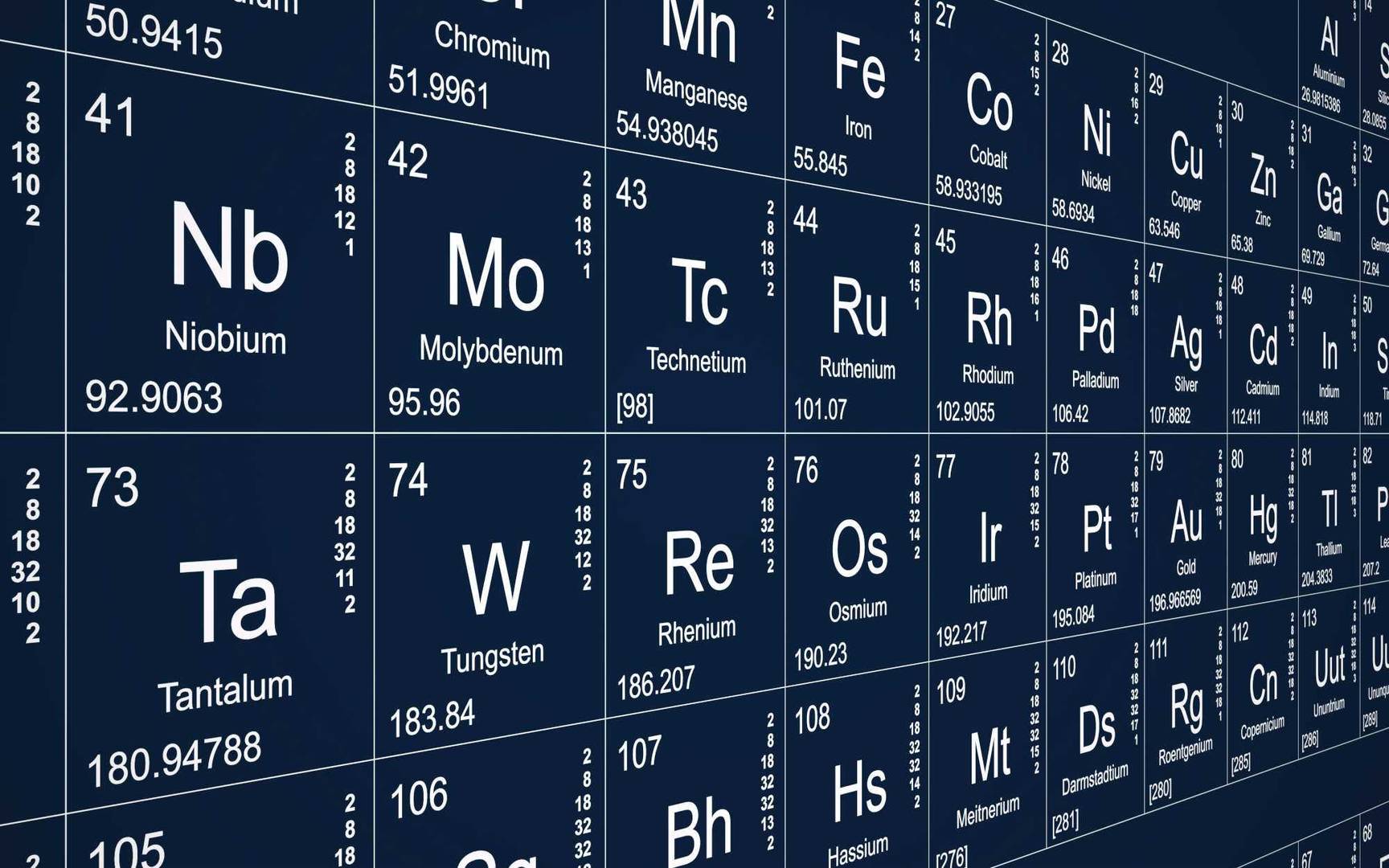
In the list below you can find the critical raw materials analyzed at ALS in Luleå, Sweden.
Antimony, Sb
|
Iridium, Ir
|
Barium (baryte), Ba
|
Osmium, Os
|
Beryllium, Be
|
Palladium, Pd
|
Bismuth, Bi
|
Platinum, Pt
|
Boron (borate), B
|
Rhodium, Rh
|
Cobalt, Co
|
Ruthenium, Ru
|
Gallium, Ga
|
Cerium, Ce
|
Germanium, Ge
|
Dysprosium, Dy
|
Hafnium, Hf
|
Erbium, Er
|
Indium, In
|
Europium, Eu
|
Magnesium, Mg
|
Gadolinium, Gd
|
Niobium, Nb
|
Holmium, Ho
|
Phosphorous, P
|
Lanthanum, La
|
Scandium, Sc
|
Lutetium, Lu
|
Silicon metal, Si
|
Neodymium, Nd
|
Tantalum, Ta
|
Praseodymium, Pr
|
Tungsten, W
|
Samarium, Sm
|
Vanadium, V
|
Terbium, Tb
|
Aluminum (bauxite), Al
|
Yttrium, Y
|
Lithium, Li
|
Ytterbium, Yb
|
Titanium, Ti
|
|
Strontium, Sr
|
|
Blue cells indicate metals in the platinum group (PGM) and green cells indicate rare earth elements (REE). Nickel, Ni, is a metal that may be added to the list in the future.


 Global website
 Search
  English
 Login
Login