
























 Search
 English

























 Login
Login


Case Study / Energy
Marine Reduction Gear

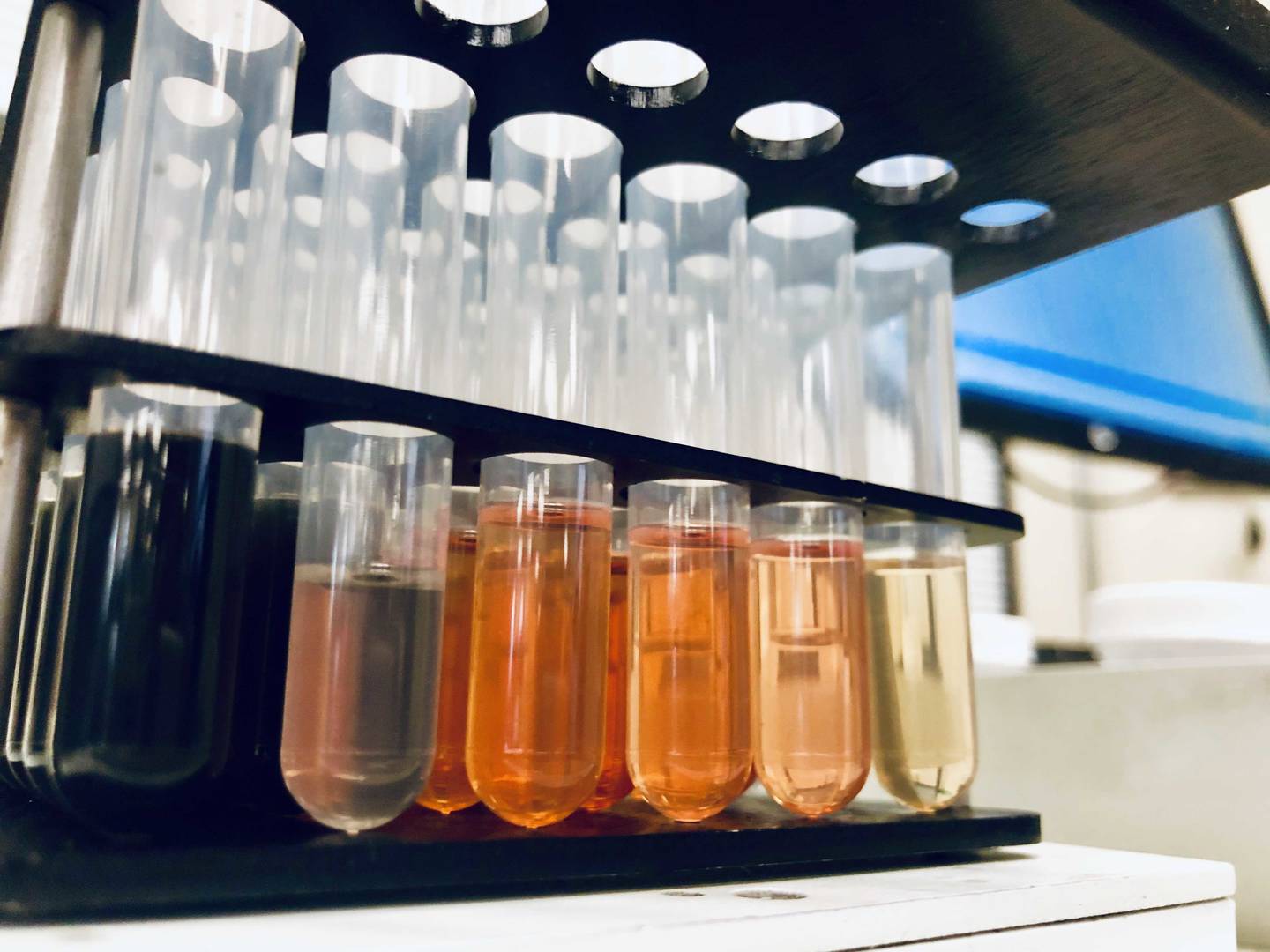
A gear oil sample was submitted from the reduction gear for the propulsion thruster in a deep draft marine vessel for routine laboratory analysis.
Before there was further damage or it became necessary to stop the equipment without further information, ALS was hired to perform oil analysis for predictive maintenance.
Possible risks without predictive maintenance:
- Catastrophic failure
- Loss of production
- Reduced resale value
Analysis
ALS has decades of experience delivering equipment reliability services that keep businesses on the right path. These services include equipment failure analysis, initial asset review, predictive analytics, and trend data analysis.
The analysis carried out by ALS concluded the sample presented:
- High water contamination of 0.55%
- High sodium (Na) concentration
Diagnosis
These findings indicated external contamination by seawater, or internal contamination by coolant. ALS contacted the customer to discuss the findings of the test results and probable source of the contamination. It was determined upon inspection that the source of the water contamination was ingress from a faulty oil cooler for the propulsion unit leaking into the reduction gear.
Solution
After following ALS’ recommendations, the customer found the root cause of the problem was the oil cooler tubing.
This caused coolant water to leak into the gear oil, making it necessary to isolate and repair the parts. After replacement, the system was returned to operation.
Result
With ALS oil analysis and diagnosis, cost to repair the oil cooler was $180 USD. Cost avoidance if the problem led to damage of the reduction gear was $10,172 USD, related to parts and labor. Hence, in this case, oil analysis based condition monitoring delivered a cost saving of approximately $10,000 or 98%.
98% EST. COST SAVINGS
Based on the maintenance/downtime cost to mitigate the causal factor vs the cost of not performing oil analysis and potential catastrophic failure.