


















 Search
 English



























 Login
Login


EnviroMail 72 Canada
Testing Volatile PFAS in Air by OTM-50 with GC-MS/MS
ALS has recently introduced testing for volatile PFAS in air by the latest U.S. EPA standard method for atmospheric PFAS, first released in January 2024, and referred to as Other Test Method 50 (OTM-50).
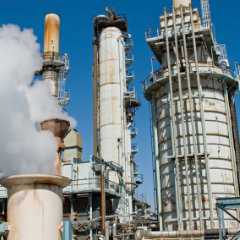
Fig 1. Industrial Emissions – potential source of volatile PFAS

OTM-50 utilizes canister sampling and GC-MS analysis, and was designed to monitor stack emissions from facilities such as waste incinerators for the presence of volatile PFAS degradation intermediates that are not amenable to testing by other available methods. This type of testing is intended to ensure that PFAS are fully eliminated (mineralized) before stack emissions enter the atmosphere. While destruction of precursor PFAS contaminants is feasible at lower temperatures, complete destruction of the intermediates, which are also mostly organofluorine compounds, requires a much higher temperature. If full mineralization is not achieved, incineration or other destruction technologies can simply transform and recycle PFAS back to the environment via the atmosphere in other forms.
Testing of emissions by the OTM-50 method helps to ensure destruction processes are optimized for complete PFAS elimination to break the cycle of PFAS transfer to atmosphere, and to reduce the global load of PFAS and organofluorines on aqueous and terrestrial environments.
Occurrence and Sources of Atmospheric PFAS
Graphic illustrations of PFAS cycling in the environment usually identify the atmosphere as a key compartment in the cycle. Of the potential sources, much attention has been given to fluorochemical manufacturing plants, although collectively general manufacturing facilities using PFAS, landfills, wastewater treatment plants, waste and sewage sludge incineration, firefighting foam use, and a broad range of PFAS-treated household and personal care products represent the most significant sources of PFAS to the global atmosphere.
A better understanding of the PFAS atmospheric transport and deposition cycle and the means to break it are urgently needed. Improved testing of PFAS in air and emissions is a first step! Until recently, reliable test methods for volatile PFAS in air have been largely unavailable and as a result atmospheric PFAS have been much less studied than PFAS in soil, water, biota, and humans.
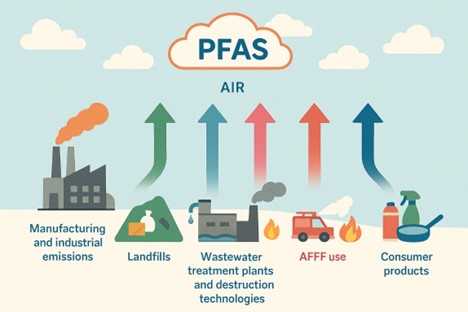
Fig 2. Common sources of PFAS to the atmosphere
Atmospheric PFAS Groupings
Atmospheric studies in recent years have identified several novel PFAS contaminants, along with many of the legacy PFAS that we wouldn’t consider volatile, but which hitch a ride to the atmosphere on particulates and other aerosols. The U.S. EPA has segregated atmospheric PFAS into four broad groupings according to polarity and volatility, as shown in Figure 3. Due to their dissimilar properties, different testing technologies are required for each of these groups.
The polar semi-volatile PFAS group includes many PFAS currently covered by LC-MS/MS PFAS test methods such as U.S. EPA 1633. Airborne substances can be sampled using OTM-45.
While few relevant polar volatile group compounds have been identified, these would require testing by gas chromatography using polar columns.
Nonpolar semi-volatiles include fluorotelomer alcohols, trifluoroacetic acid (TFA), ultrashorts, sulfonamides, sulfonamide ethanols, acrylates and methacrylates, fluorotelomer olefins, unsaturated carboxylic acids, FOSAAs (sulfonamido acetic acids), mono- and diPAPs (fluorotelomer phosphate mono- and diesters), and iodides, among others. There is currently no standard method for the testing of these substances in air.
Measurement of nonpolar volatile substances is covered by OTM-50. These compounds are largely comprised of refrigerants and fluorinated alkanes and alkenes. Refrigerants may be released during their manufacturing, and from the use and disposal of refrigeration, air conditioning, and heat pump systems, as well as from some aerosol spray consumer products. Fluorinated alkanes and alkenes can be products of incomplete combustion (PIC), and are typically produced from PFAS through loss of a carboxylate or sulfonate group due to heating or some other energetic chemical reaction. The U.S. EPA studied these processes extensively during incineration trials used in the development of EPA Method OTM-50.
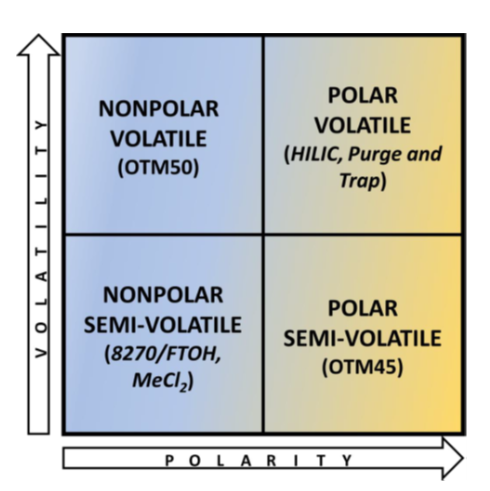
Fig 3. Atmospheric PFAS groupings by properties & analytical technique [US EPA (2024)]
Environmental/Health Hazards & Regulatory Status
There is still much to learn about the environmental and health hazards of airborne PFAS, and regulatory limits are largely absent, partly due to a historical lack of developed test methods. Human exposures are primarily through inhalation, either to gaseous volatile PFAS or longer chain PFAS sorbed to respirable particulate matter (PM10 and PM2.5). For compounds like fluorotelomer alcohols (commonly found in indoor air) and for TFA, ultrashort- and short-chain PFAS (commonly found in outdoor air) concerns are more related to exposure due to elevated levels being found in these environments. The concerns with older generation refrigerants and fluorinated alkanes and alkenes relate to greenhouse warming potential, because many are potent greenhouse gases. Concerns with new generation hydrofluoroolefin refrigerants pertain to TFA formation. Ecological and human health risks are poorly understood for most of these substances.
Despite the EPA’s publication of two methods for stack emission monitoring (OTM-50 and OTM-45), there are no U.S. federal requirements for their use. At the international level, no ambient outdoor air quality standards or enforceable numeric limits for PFAS currently exist (e.g., WHO, EU, USA, Canada, Australia). At this time, there are also no OSHA or NIOSH occupational exposure limits, although the American Conference of Governmental Industrial Hygienists (ACGIH) has published industrial hygiene threshold limit values (TLVs) for some specific PFAS derivates. As a first step, several jurisdictions globally are developing screening and management guidelines.
OTM-50 Sampling Details
Sample collection for OTM-50 is relatively simple compared to the EPA companion method OTM-45. A 1.4 L evacuated canister is connected to the sampling port of a stack via a heated probe tube fitted with a particulate filter. After purging the equipment, a sample is collected with sampling time ranging from a few minutes up to one hour, until a final canister pressure of 5 to 8 inches of mercury is achieved. Background and duplicate samples are recommended and an intermediate impinger may be required in cases of high moisture or acid gases. Canisters and fittings are provided by ALS (cleaned, proofed, and ready to use), using dedicated coolers for transport to eliminate cross-contamination from other samples.
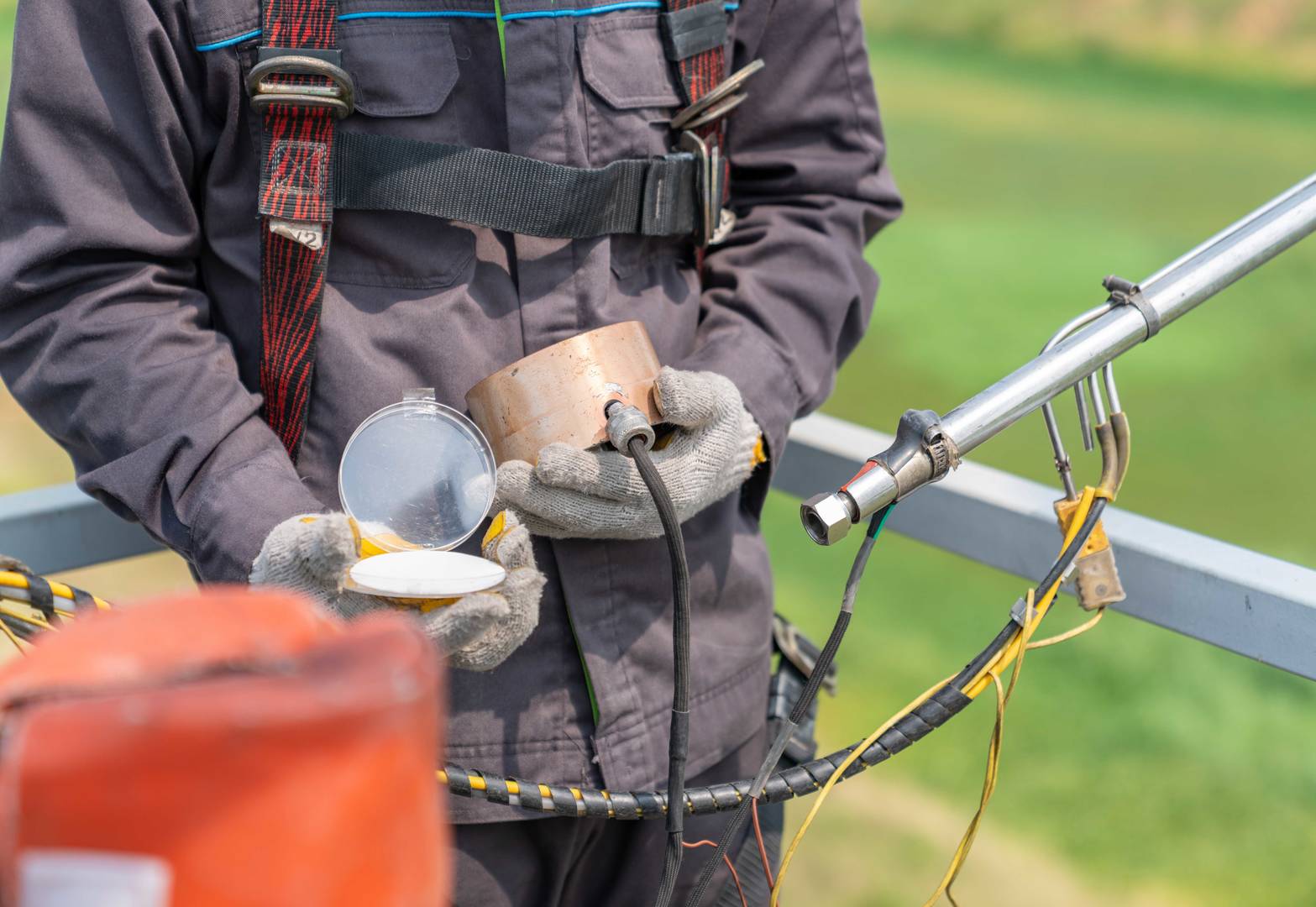
Fig 4. Field sampler assembling sampling probe and inlet filter for OTM-50 canister sampling
Laboratory Proofing and GC-MS/MS Test Method
In the laboratory all canisters and fittings are cleaned and inspected by methods that exceed those specified by OTM-50. While Certificates of Analysis always include test results from the batch proof canister associated with your sampling campaign, all canisters are individually proofed after cleaning, and canister-specific proofing results are available for reporting by request.
The laboratory equipment for this test includes canister pressurization and a system to automatically move canisters one at a time to the sample introduction interface. The required sample volume is then transferred to a sorbent trap where it is concentrated. Next, the trap is heated to release the trapped compounds onto the chromatographic column. While OTM-50 specifies standard single quadrupole GC-MS equipment as the minimum requirement for instrumentation, ALS uses a GC-MS/MS triple-quadrupole system with multiple reaction mode (MRM) transitions for enhanced elimination of interference and improved sensitivity. Our use of GC-MS/MS provides detection limits low enough to support the use of this method for monitoring ambient or indoor air for the OTM-50 compound list.
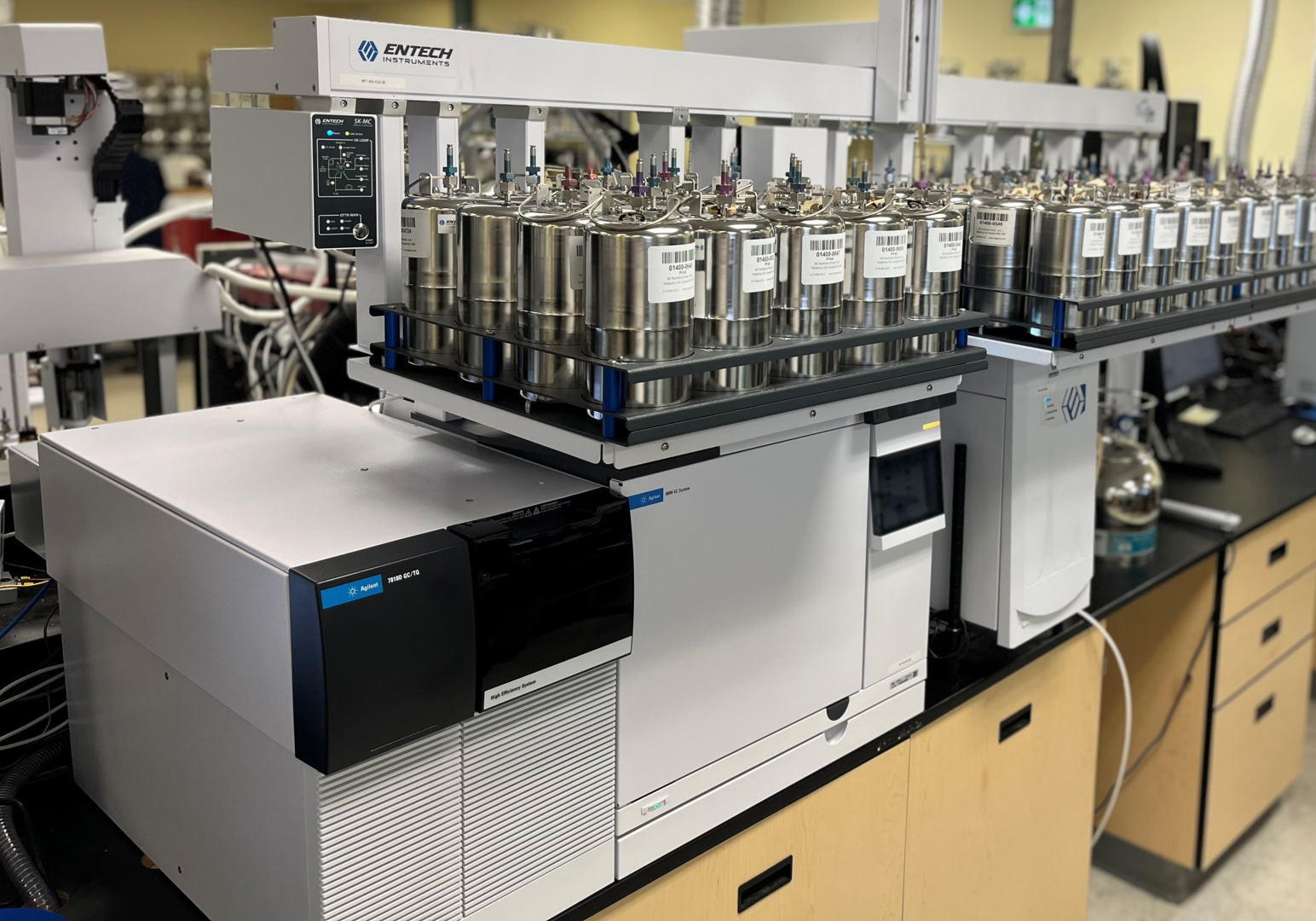
Fig 5. Automated GC-MS/MS instrumentation for OTM-50
Please refer to Table 1 for a summary of key method details, and refer to Table 2 for a complete list of parameters, short names, CAS numbers, Limits of Reporting (LOR), and chemical formulae. Test results are normally provided with units of both parts-per-billion by volume (ppbv) and µg/m3.
This method has been extensively validated by ALS in Waterloo, and an ISO 17025 accreditation application is in progress (refer to our CALA scope of accreditation for current status).
We gratefully acknowledge Agilent Technologies and Entech Instruments for their support and collaboration with the development of this method.
Table 1: Test Method & Sampling Details
| ALS Test Codes | E695 (ppbv units) EC695 (µg/m3 units) |
| Analytical Method | GC-MS/MS |
| Sample Container | 1.4 L Silonite canisters |
| Reference Method | U.S. EPA OTM-50 |
| Holding Time | 30 days |
Table 2: ALS Parameter List for OTM-50 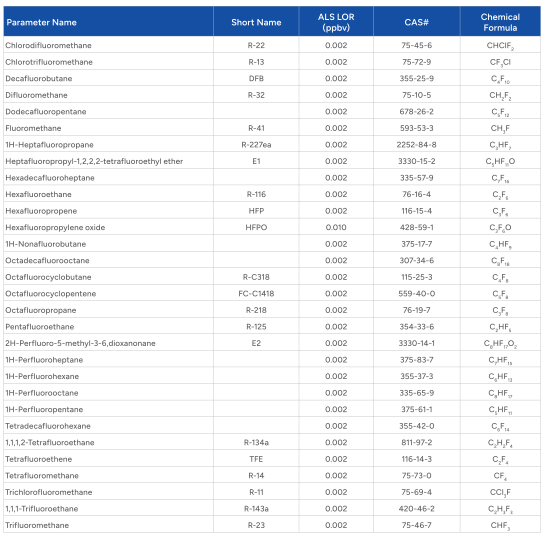
References
Please contact your ALS Project Manager for more information about this important new test service.
Download this EnviroMail - EnviroMail 72 Testing Volatile PFAS in Air by OTM-50 with GC-MS/MS