






















 Rechercher
 français



























 Connexion


EnviroMail™ 002 Malaysia
Odour analysis by dynamic olfactometry based on EN13725:2003 & MS 1963:2007

Understanding the impact of odour
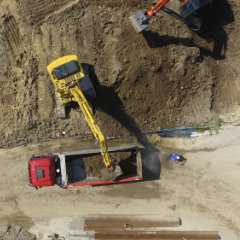
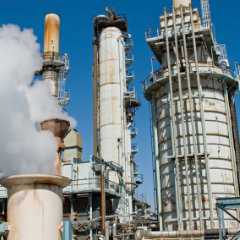
Odour is a leading cause of environmental complaints and concern among communities living near wastewater treatment plants, landfills, composting facilities, palm oil mills, rubber processing operations, and industrial estates (figure 1). Odour can affect nearby communities in several ways, including health symptoms (for example, headache, nausea and throat irritation) and amenity impacts such as reduced outdoor use, sleep disturbance and stress. In addition, odour‑causing gases can contribute to operational and asset impacts (for example, corrosion and odour ingress in buildings) and broader environmental effects (for example, nuisance to local fauna; figure 2).
Because odour is a sensory response, reliable assessment requires a standardised human‑panel method rather than chemical surrogates. The dynamic olfactometry method, as defined in EN 13725:2003 and MS 1963:2007 (DSM 2007, CEN 2003), provides a recognised framework to quantify odour concentration in odour units per cubic metre (OU/m³) for compliance assessment, investigation and dispersion modelling.
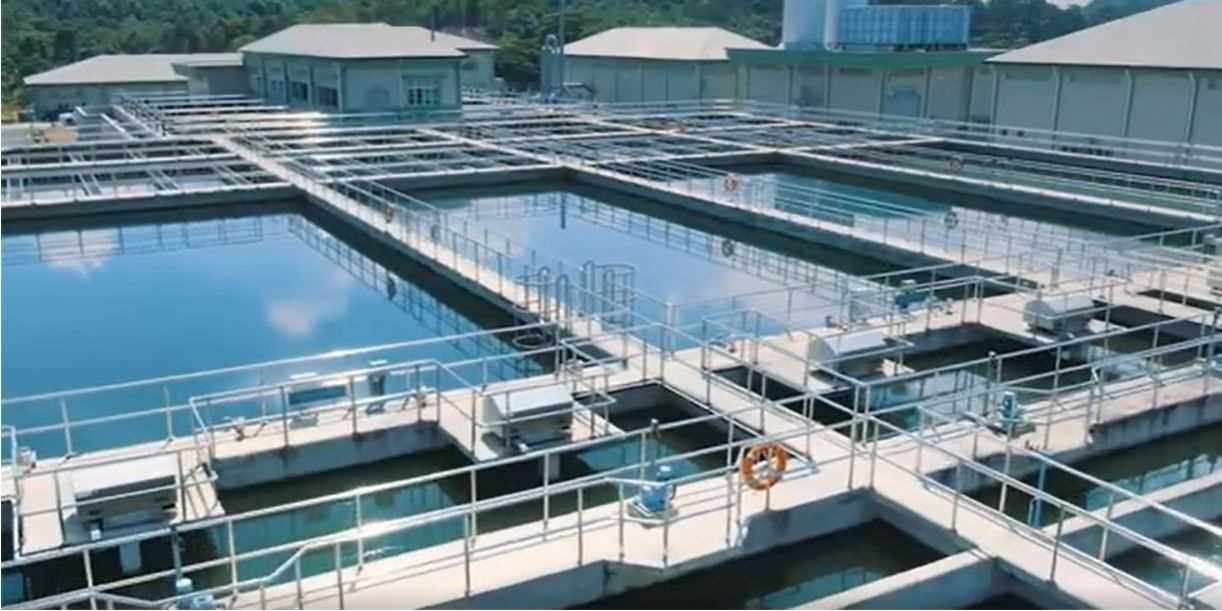
Figure 1: Example of area source for odour from wastewater plant
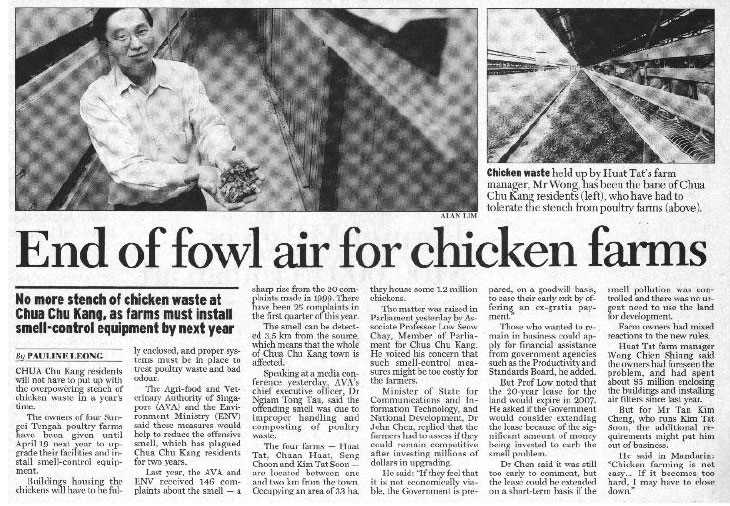
Figure 2: Example of odour nuisance in Malaysia
What ALS offers
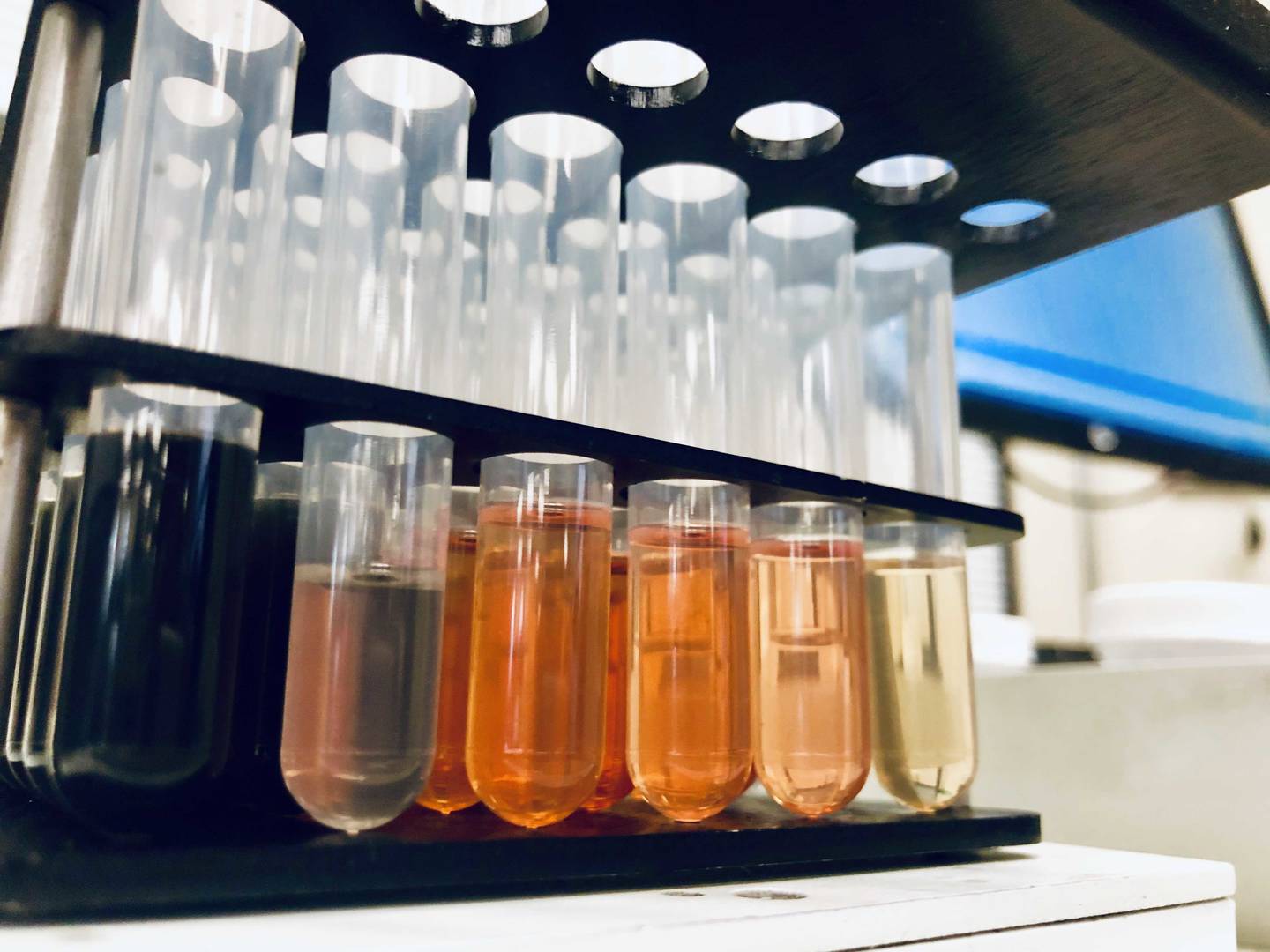
ALS provides dynamic olfactometry for stationary sources (including point sources, active sources and passive area sources) using a calibrated dynamic olfactometer (figure 3) and trained odour panellist, aligned with EN 13725:2003 and MS 1963:2007. This service supports compliance submissions, odour modelling inputs, root‑cause investigations, mitigation verification (eg biofilters, activated carbon and chemical scrubbers) and complaint response.
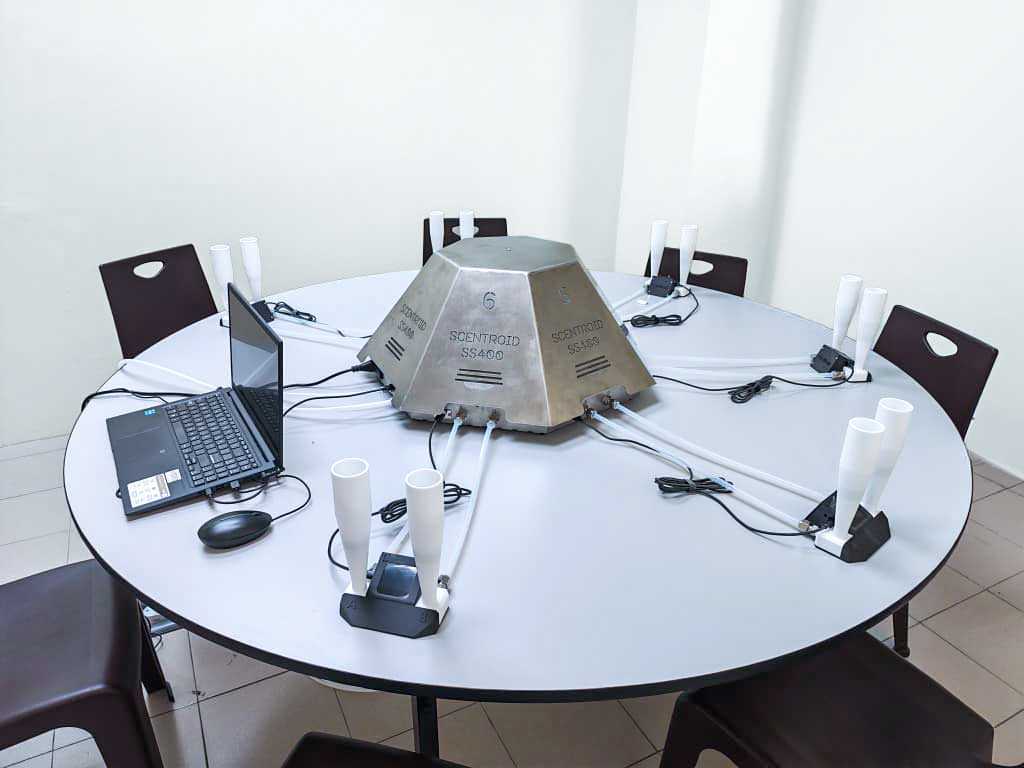
Figure 3: Dynamic olfactometer setup for odour analysis
ALS’ laboratories in Malaysia accept samples collected in PET/Nalophan™ (figure 4), PTFE, FEP, PVF/Tedlar™ or PVDF containers that are pre‑conditioned and leak‑checked, with a recommended minimum volume of 20 L. Results are validated against method performance criteria to ensure defensible reporting of odour concentration (OU/m³).
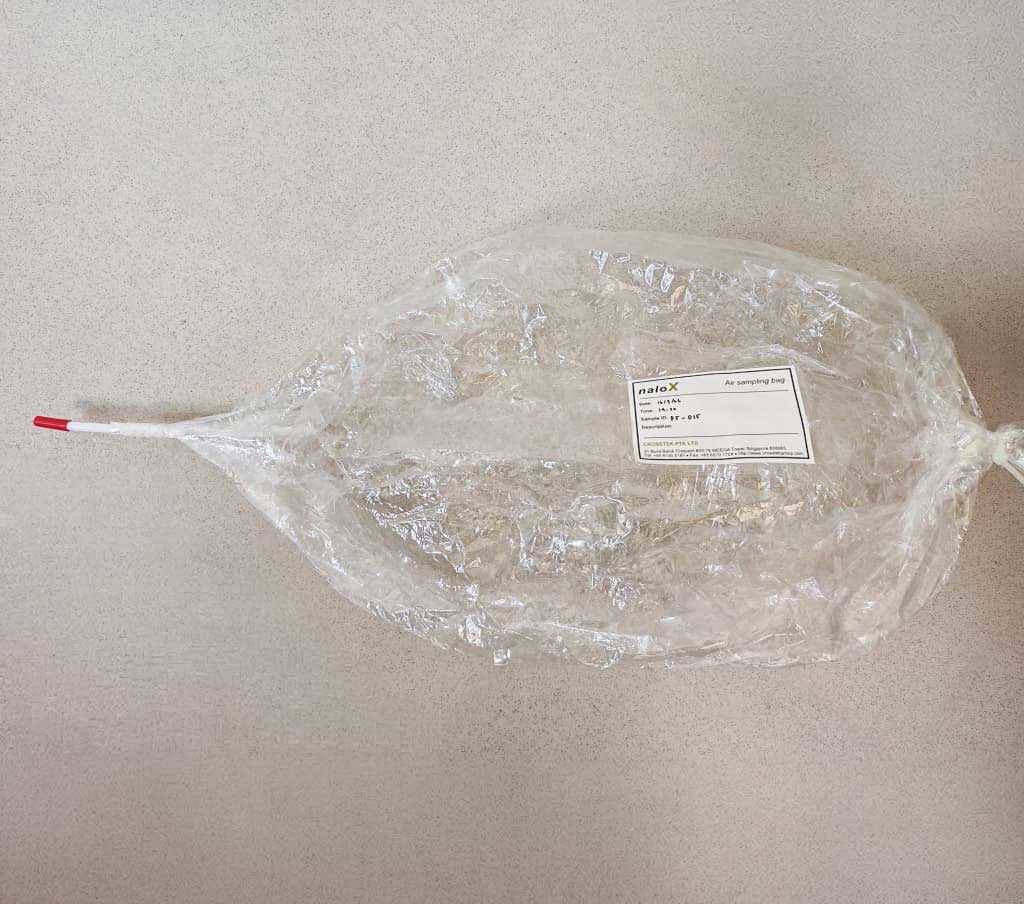
Figure 4: Nalophan™ bag
Specifications
Table 1: Method specifications
| Method code | CH17-185 |
| Principle | Dilution‑to‑threshold |
| Instrumentation | Dynamic olfactometer with neutral air supply |
| Applicable sources | Point sources (ducts/stacks), active area sources (eg, biofilters), and passive/diffuse sources. |
| Holding time | 30 hours |
| Detection criteria | 50% panel detection probability |
| Reporting unit | Odour units per cubic metre (OU/m³) |
| Limit of reporting | 16 OU/m3 |
When to use dynamic olfactometry
- Wastewater treatment and sludge handling: peak events, boundary assessments and model calibration.
- Palm oil milling (POME treatment): investigation and mitigation planning referencing MS 1963; DOE proposals have considered odour limits for sector management.
- Rubber processing: assessment of scrubber performance; sector discussions on odour limits underscore need for defendable measurement.
- Landfills, composting, food and chemical industries: source characterisation and technology verification (biofilters, scrubbers and activated carbon).
Procedure
Odour sampling
Use odour-free, low permeability bags manufactured from fluoropolymer‑based or PET‑based films. Bags must be pre‑conditioned before use.
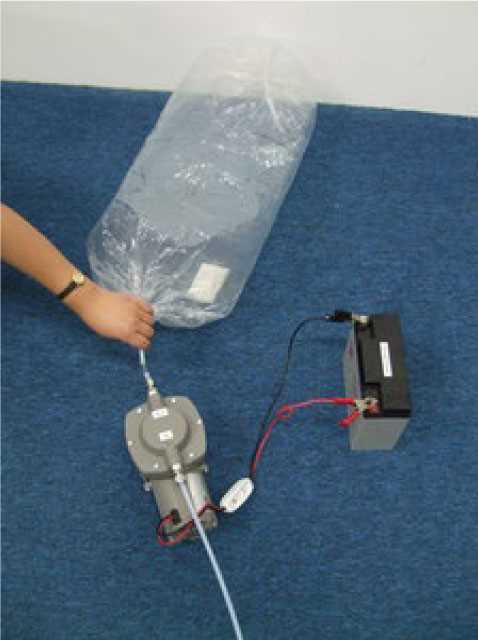
Collect a minimum of 20 L per sample using either direct pumping (figure 5) or the lung principle (figure 6), depending on source type.
Protect samples from heat and sunlight and deliver to ALS within 30 hours of sampling.
 |
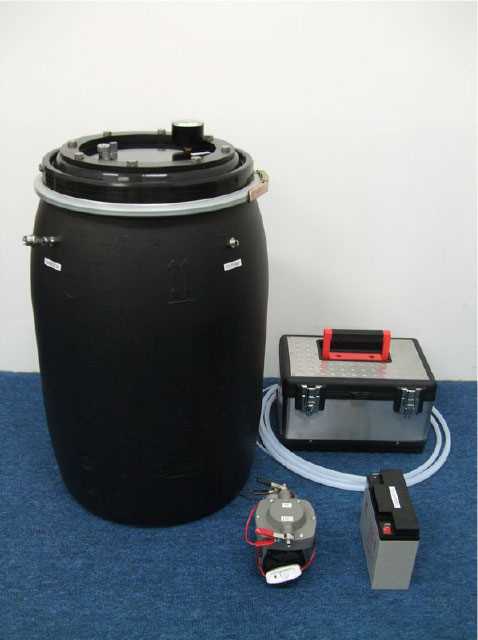 |
| Figure 5: Direct pumping | Figure 6: Lung principle |
Panel assessment
Samples are evaluated by a screened human panel, meeting performance criteria based on n-butanol sensitivity testing. Each session is configured with defined start and end dilutions, a controlled step factor, at least two measurement rounds and at least four panellists. Panellists assess odour using either a binary forced‑choice method or a yes/no method with a two‑port olfactometer, responding electronically as dilution levels decrease. A valid session must yield at least eight individual threshold estimates after retrospective screening.
Odour concentration and quality checks
The olfactometer determines the dilution to threshold, producing the final odour concentration (OU/m³). Results are logged and transferred into the laboratory system.
A result is accepted only if all method performance criteria are met, including:
- Analysis completed within 30 hours of sampling
- Correct step factor (method-defined), ≥ 2 rounds, ≥ 8 threshold estimates
- Repeatability and accuracy within method limits.
Results not meeting these requirements are not considered valid.
Compliance alignment
Malaysia has no codified odour concentration criteria in national regulation. Odour management is generally administered under the Environmental Quality Act 1974 (EQA) through licence conditions, nuisance provisions and planning approvals managed by the Department of Environment (DOE). Sector‑ or site‑specific limits may be imposed via permits or guidance (DOE 1974, Yap 2018, Chung et al 2021, Yap et al 2020).
Sector‑specific proposals, including indicative thresholds for rubber processing (~25,000 OU/m³) and palm oil milling (~12,000 OU/m³), show continued reliance on MS 1963/EN 13725 as the underlying measurement standard where national odour limits have not been established (Yap 2018).
MS 1963:2007 specifies the determination of odour concentration by dynamic olfactometry and is technically aligned with EN 13725:2003, applying the same core scientific principle of dilution‑to‑threshold measurement using a trained human panel, with results expressed in odour units per cubic metre (OU/m³). While EN 13725 is widely applied internationally, MS 1963 is the recognised national standard in Malaysia and is therefore commonly referenced as the technical basis for odour assessment in environmental impact assessments, investigations, and procurement, where national odour limits have not been formally codified (DOE 1974). Results generated under MS 1963 are comparable in principle to those produced under EN 13725, provided equivalent laboratory performance criteria and quality controls are maintained.
Special requirements
Prenotification
Given the scheduling requirements for panel availability, clients are strongly encouraged to notify ALS in Malaysia before sampling. This allows ALS to allocate panel capacity, confirm sample windows and ensure laboratory readiness.
Sampling requirements
Sampling bags must be manufactured from fluoropolymer‑based films (PTFE, FEP, PVF/Tedlar™, PVDF) or PET‑based films (PET/Nalophan™), as only these materials have been demonstrated to meet EN 13725 performance requirements.
A minimum filled volume of 20–30 litres per sample is recommended to allow sufficient replicate dilutions.
Clients are recommended to document source type (point, area-active, area-passive), sampling height, flow conditions, meteorology and any unusual operating states on the CoC.
Sample submission
To maintain sample integrity, transport samples in an insulated container to minimise temperature fluctuations. Keep samples out of direct sunlight and avoid unnecessary exposure to heat or cold.
Samples must be received at the ALS odour laboratory in Malaysia within 30 hours of collection, consistent with Nalophan™ bag stability guidance.
Accreditation
This method has been validated by the ALS laboratory in Malaysia. The laboratory is expected to achieve ISO/IEC 17025 accreditation for this method in 2026. Once accredited, ALS will be the only laboratory in Malaysia accredited to perform odour analysis by dynamic olfactometry.
References
- Department of Standards Malaysia (DSM) (2007) MS 1963:2007 Air quality - Determination of odour concentration by dynamic olfactometry. JSM.
- European Committee for Standardization (CEN) (2003) EN 13725:2003 Stationary source emissions - Determination of odour concentration by dynamic olfactometry and odour emission rate. CEN/BSI.
- Department of Environment Malaysia (1974) Environmental Quality Act 1974 and DOE administrative/complaints portals. doe.gov.my; lom.agc.gov.my
- Yap, A.K.C. (2018) Palm oil mill odour emission. Palm Oil Engineering Bulletin, 126, 38-44. (MPOB).
- Chung, A.Y.K., Zaman, N.Q., Halim, R.M., Abd Manaf, F.Y., and Abdul Hadi, N. (2021) Odour exposure level measurement surrounding palm oil mill. Journal of Oil Palm Research, 33(2).
- Yap, A.K.C., Rohaya, M.H., Fatah, Y.A., Nu’man, A.H., and Astimar, A.A. (2020) Current palm oil mill odour emission scenario against proposed DOE requirements.