Why A1 Beta-Casein in Your Milk Test Could Mean Bovine Contamination
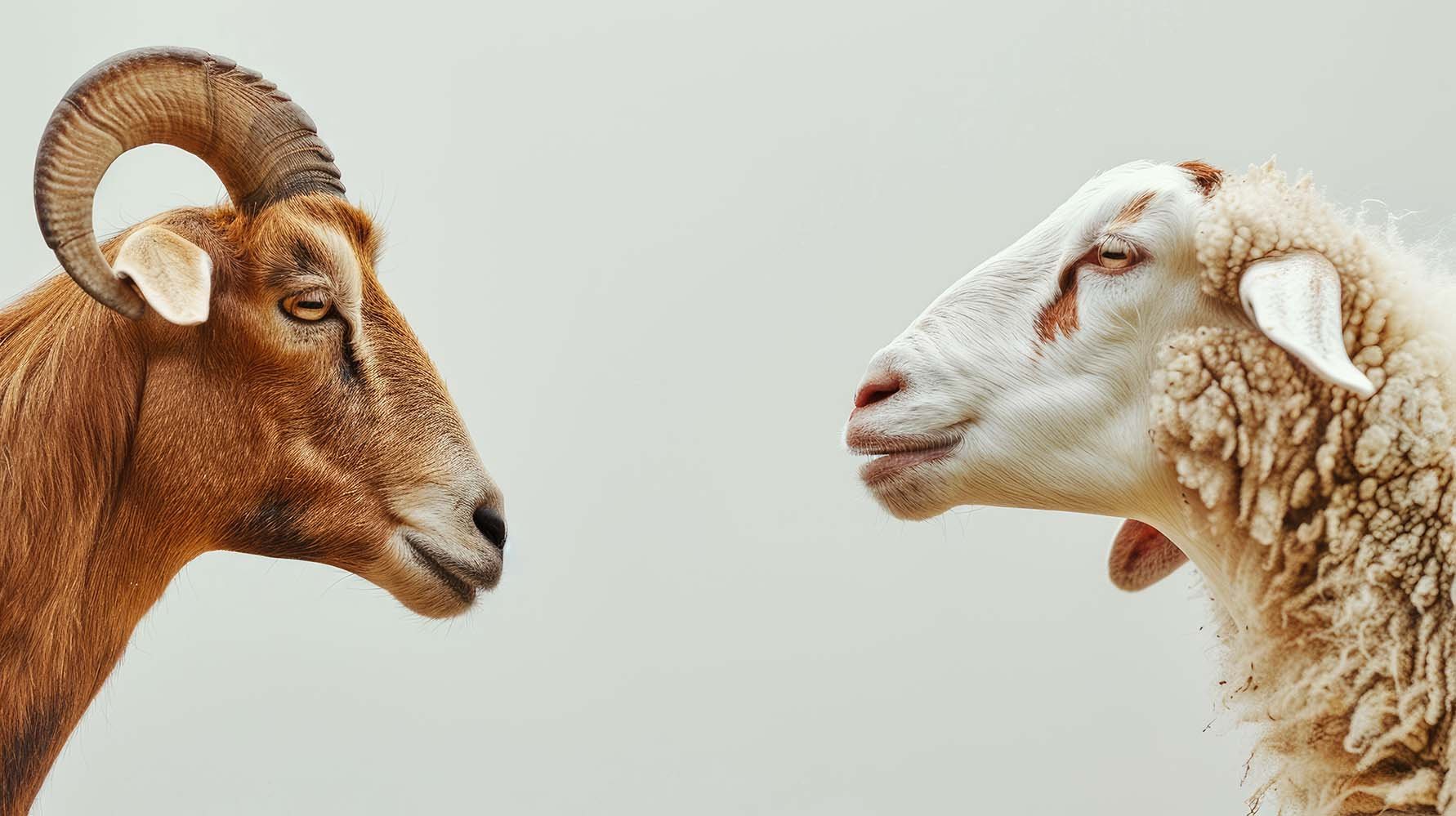
If a sample of milk or dairy product from another species is tested and produces a detectable presence of A1 beta-casein, it indicates that there is likely to be some contamination of the sample with bovine (cattle) beta-casein rather than that there is A1 beta-casein from the sheep or goats.
The genetic mutation which has occurred in cattle, and gives rise to A1 type-beta-casein in bovine milk, has not occurred in other species. Those with an interest in beta-casein in other species may wish to carry out a review of the scientific literature that describes those proteins, and any mutations that have taken place in them. ALS has the ability to assist with R&D projects including development of new or improved methods for protein analysis, and any enquiries about how this can be applied to meet particular customer needs are welcomed.


 Global Website


























 Login
Login